THE FIRE DAMAGE RESTORATION PROCESS
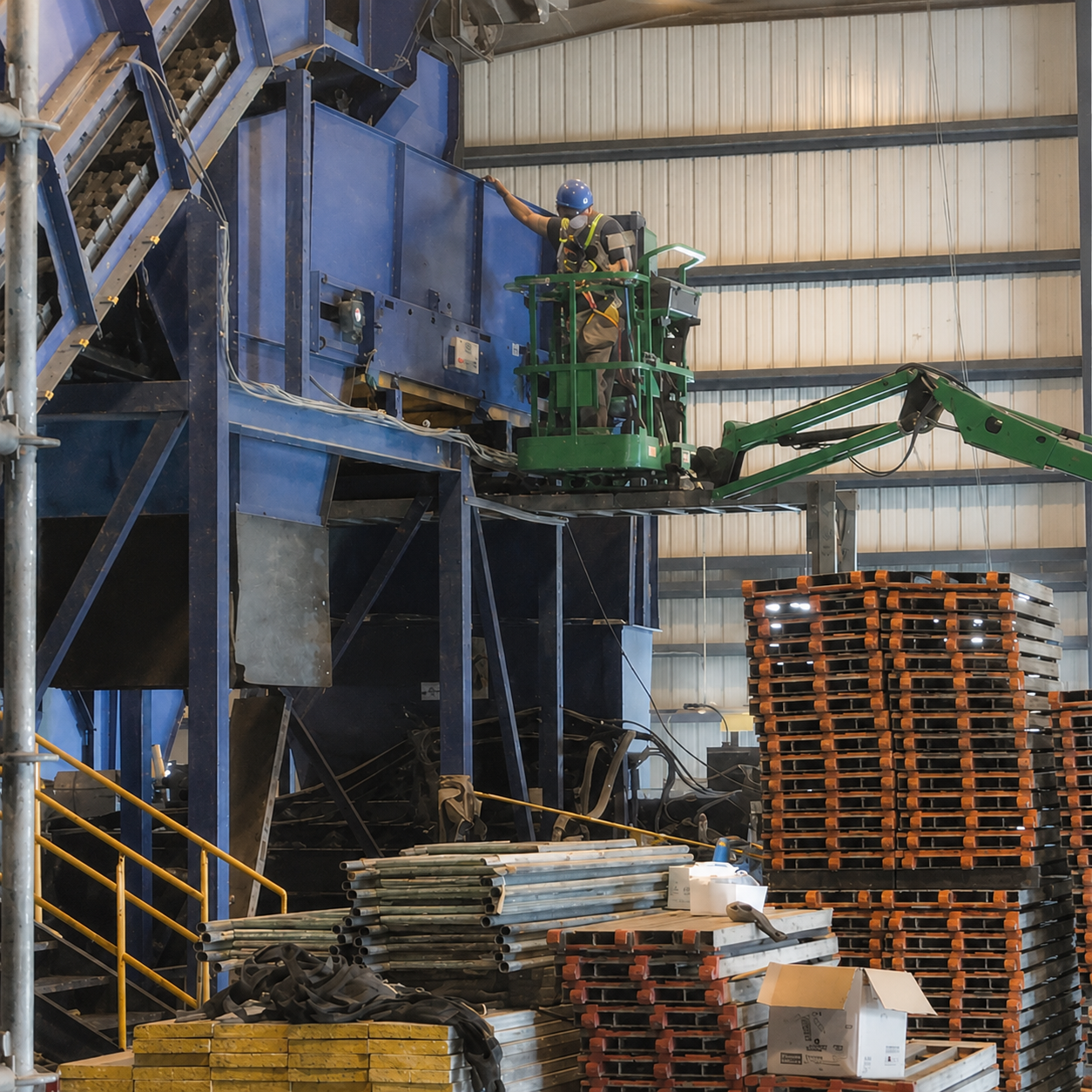
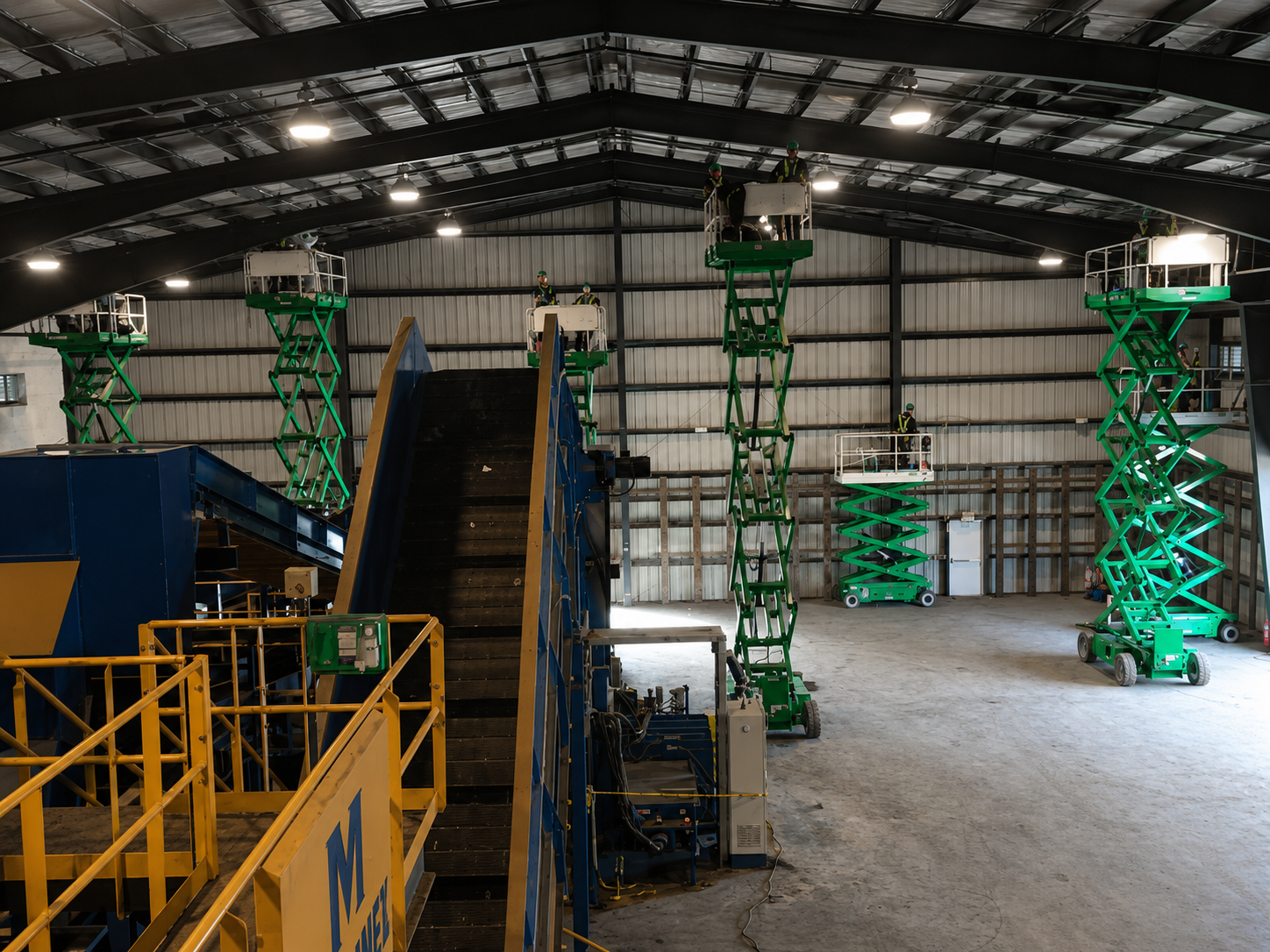
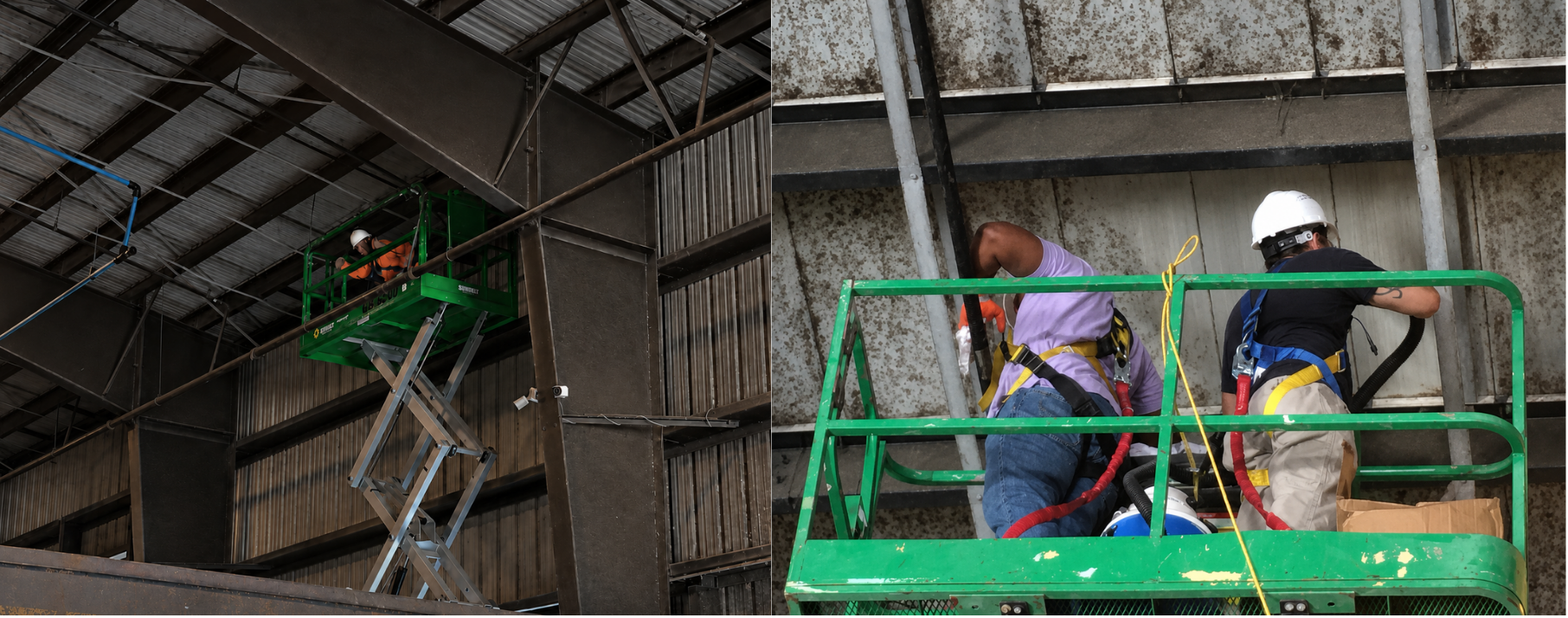
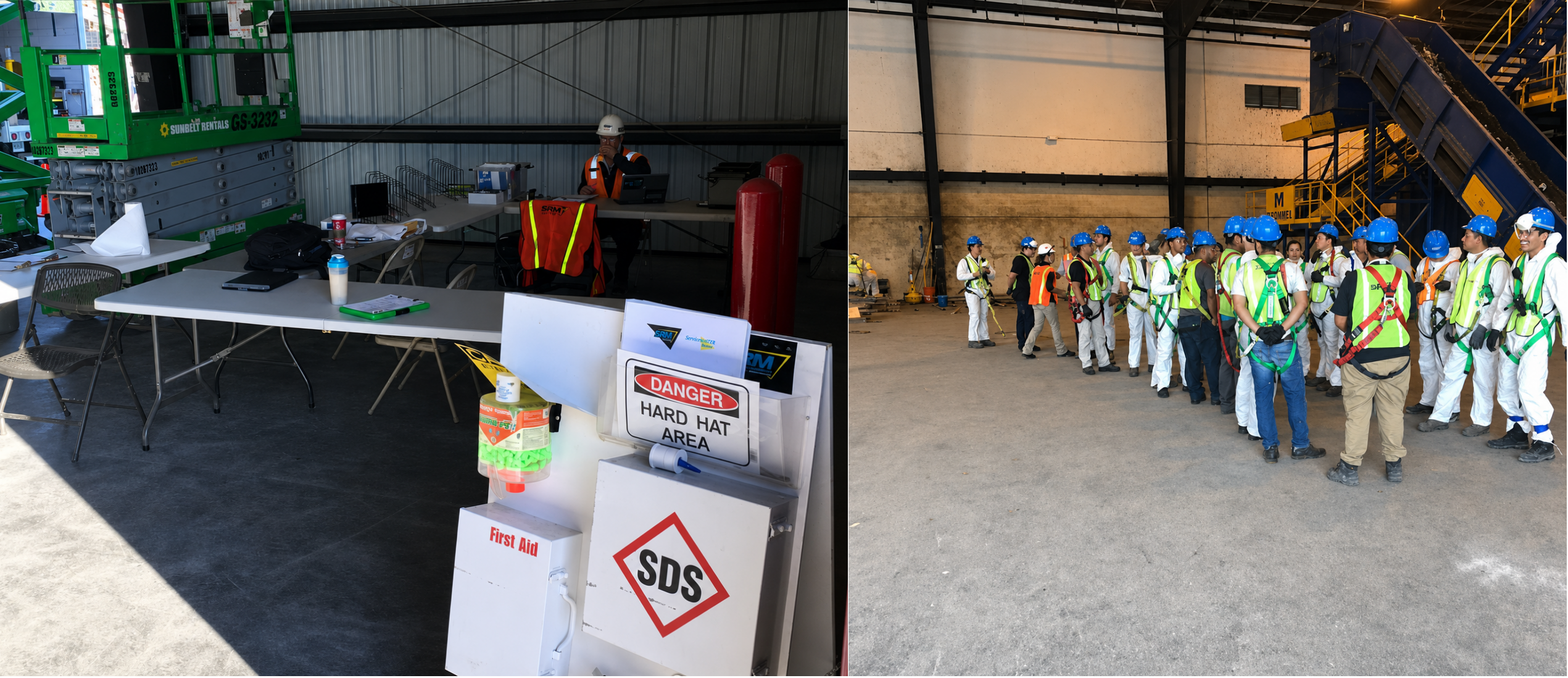
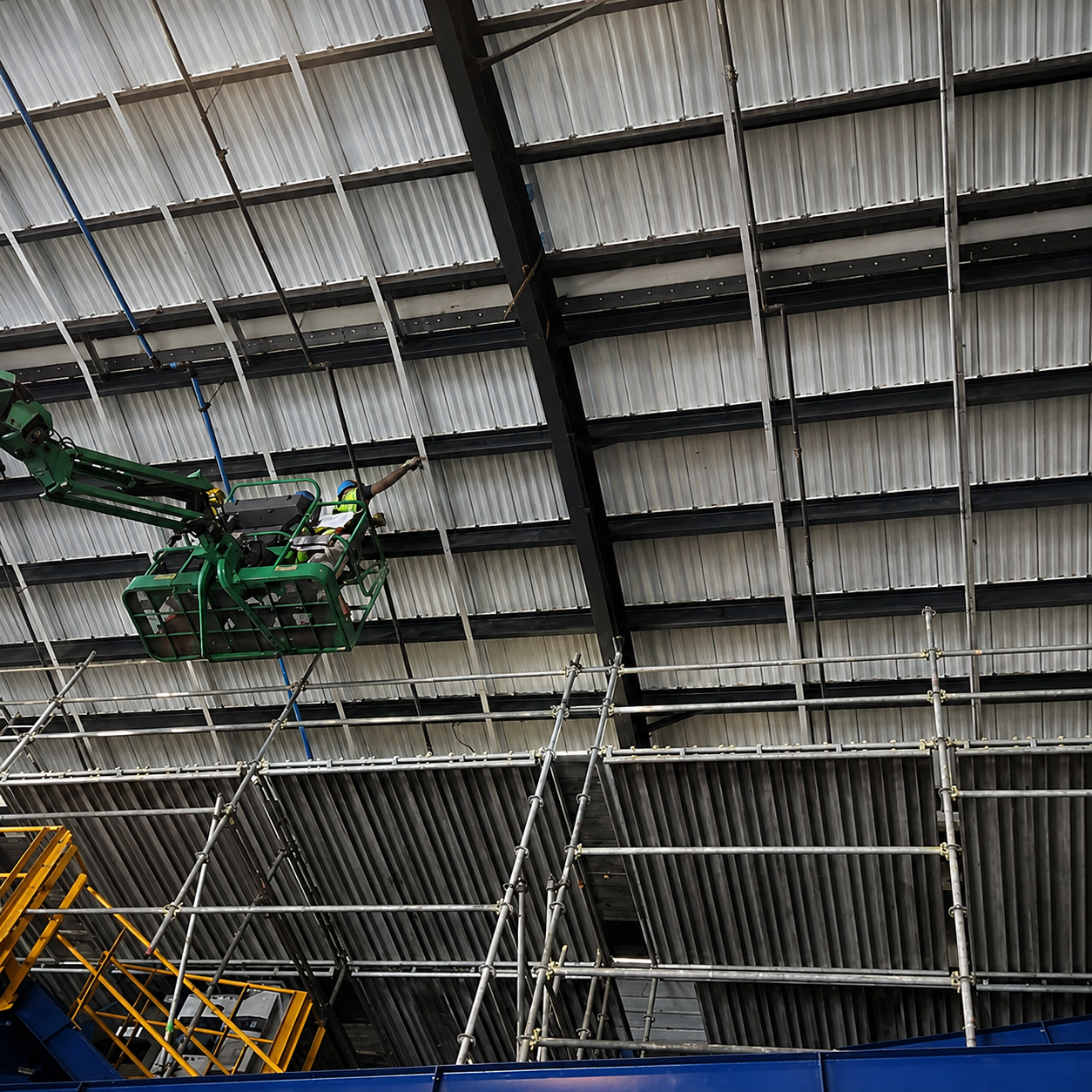
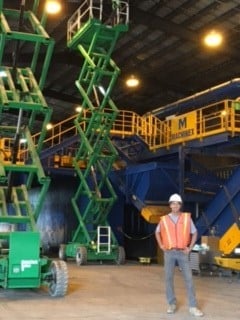
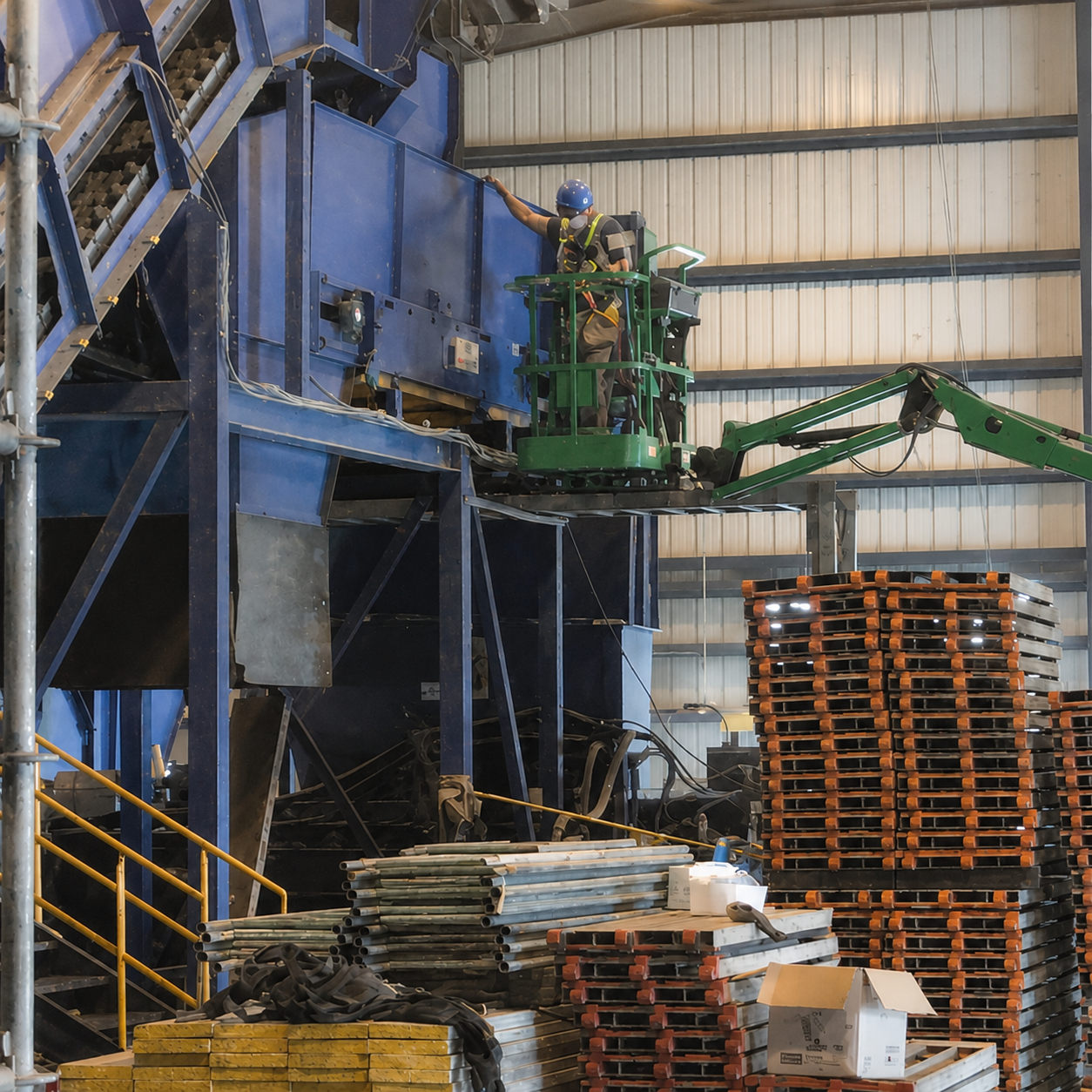
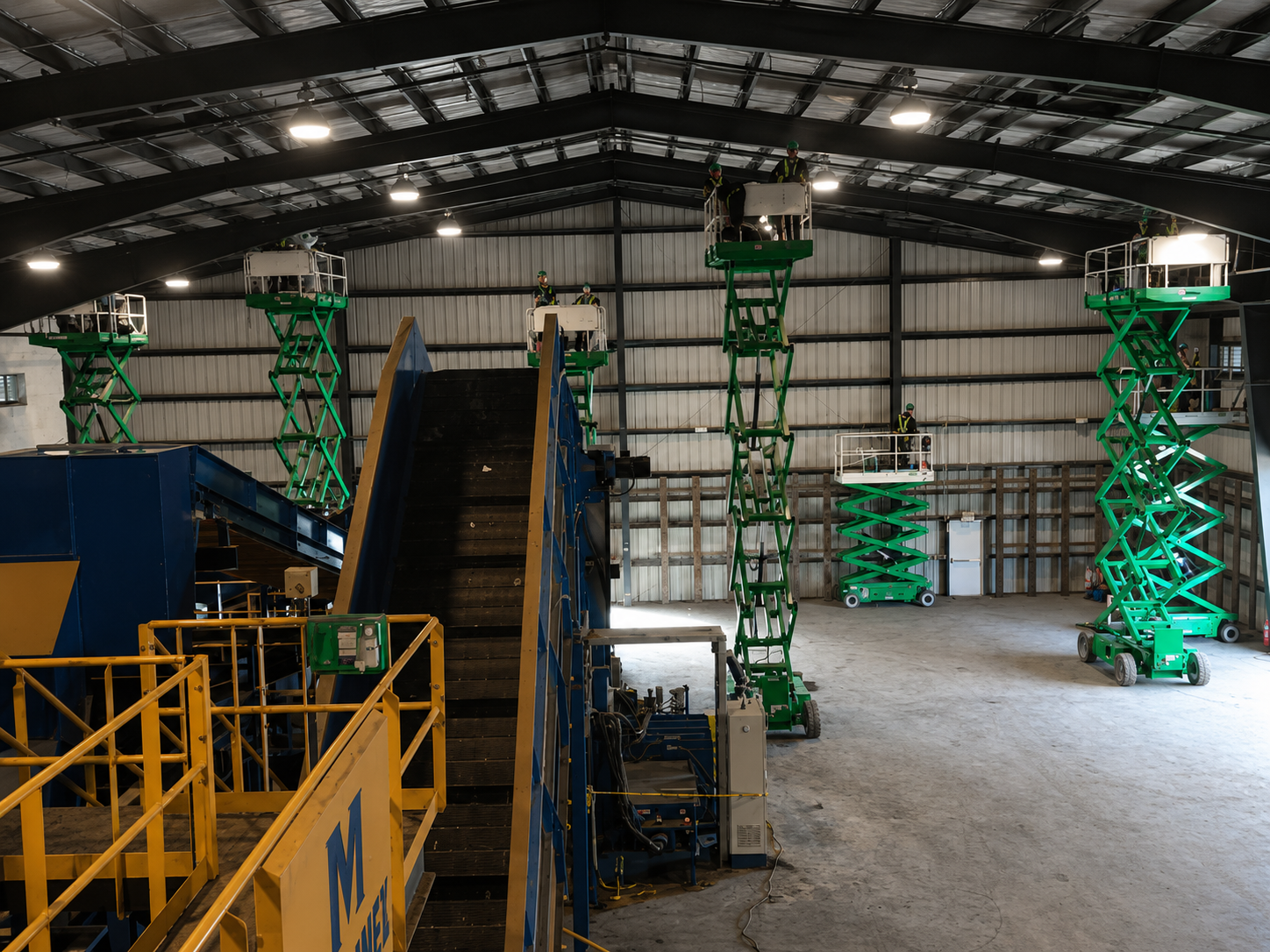
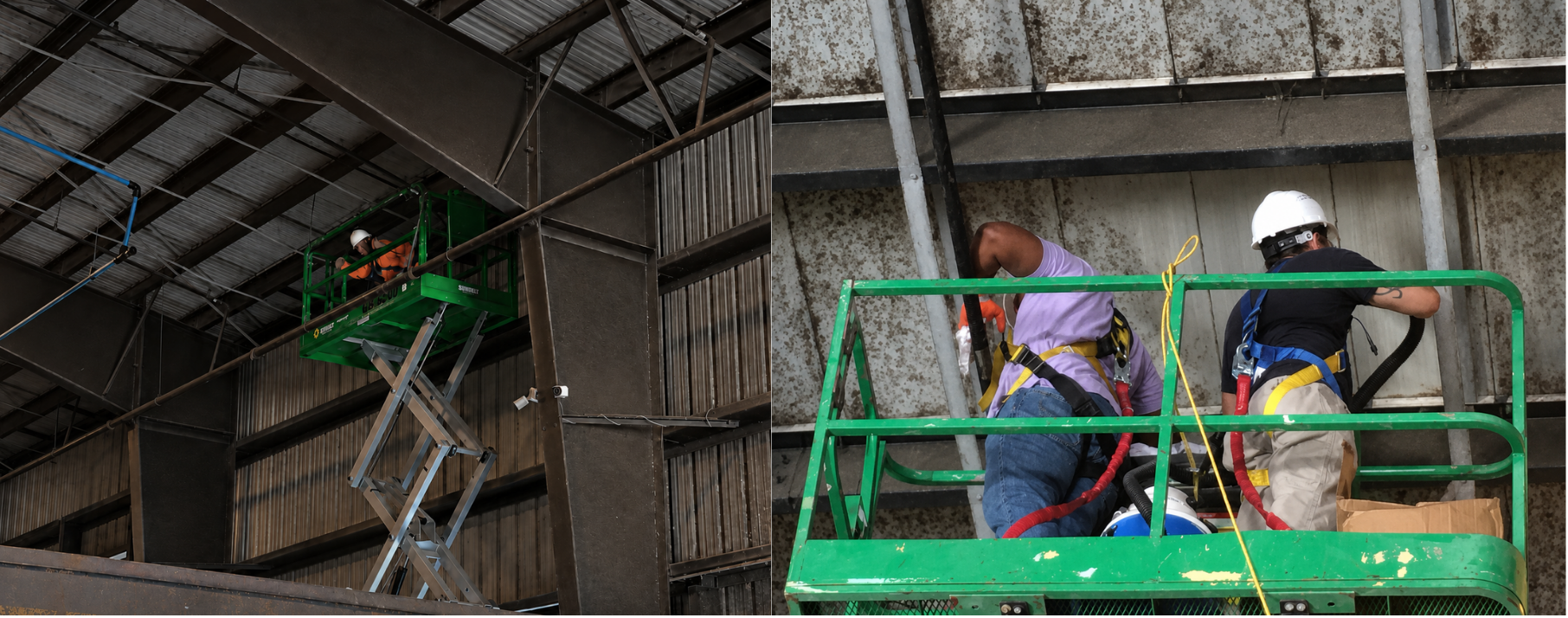
With safety being priority #1, it was critical to find lifts that would provide a safe platform for at least two people that could work effectively and efficiently around piping. Each person was required to attend an aerial lift certification class and use proper PPE and fall gear protection.
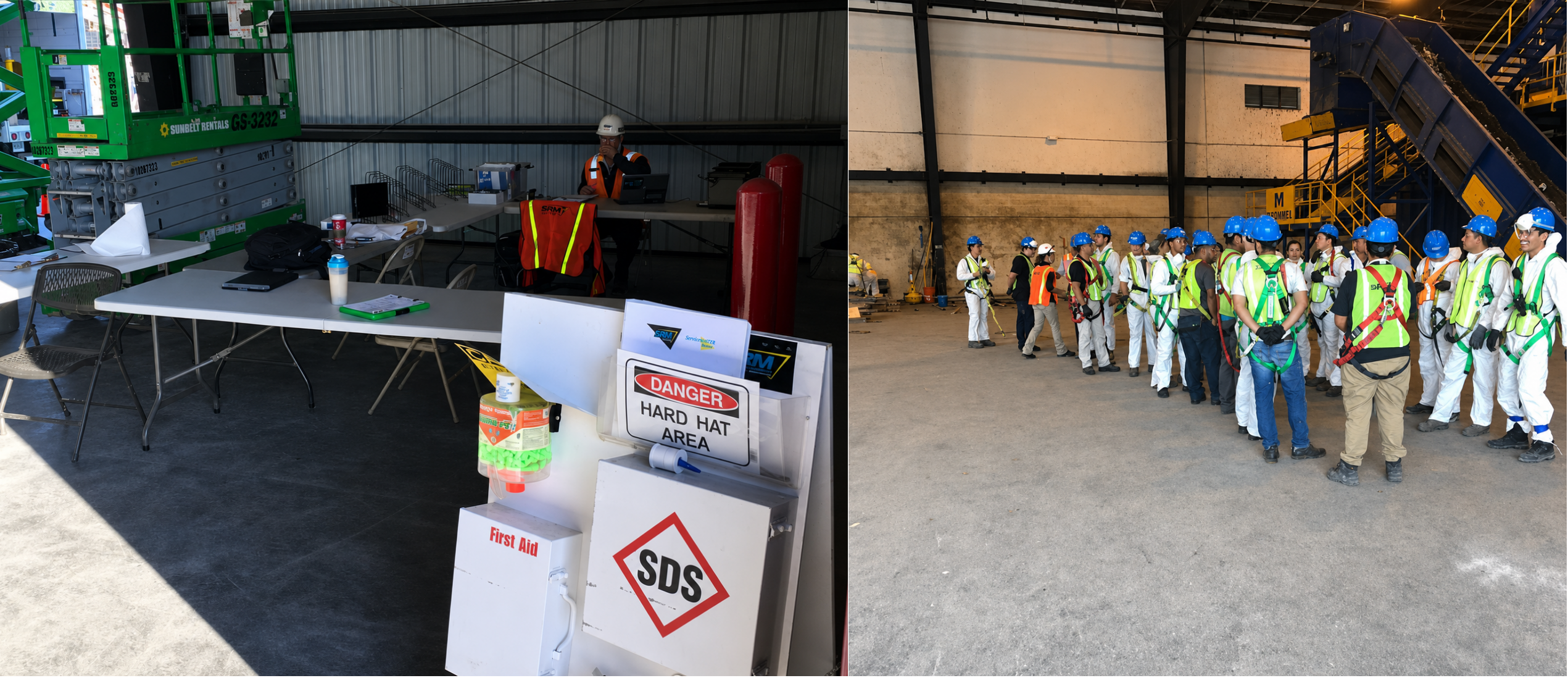
A Hazard Risk Assessment was written to mitigate potential safety issues. Each shift began with a Safety Meeting with the supervisors. Lift Certification was critical to meet safety criteria. Fall Gear was used, due to heights on lifts and scaffolding.
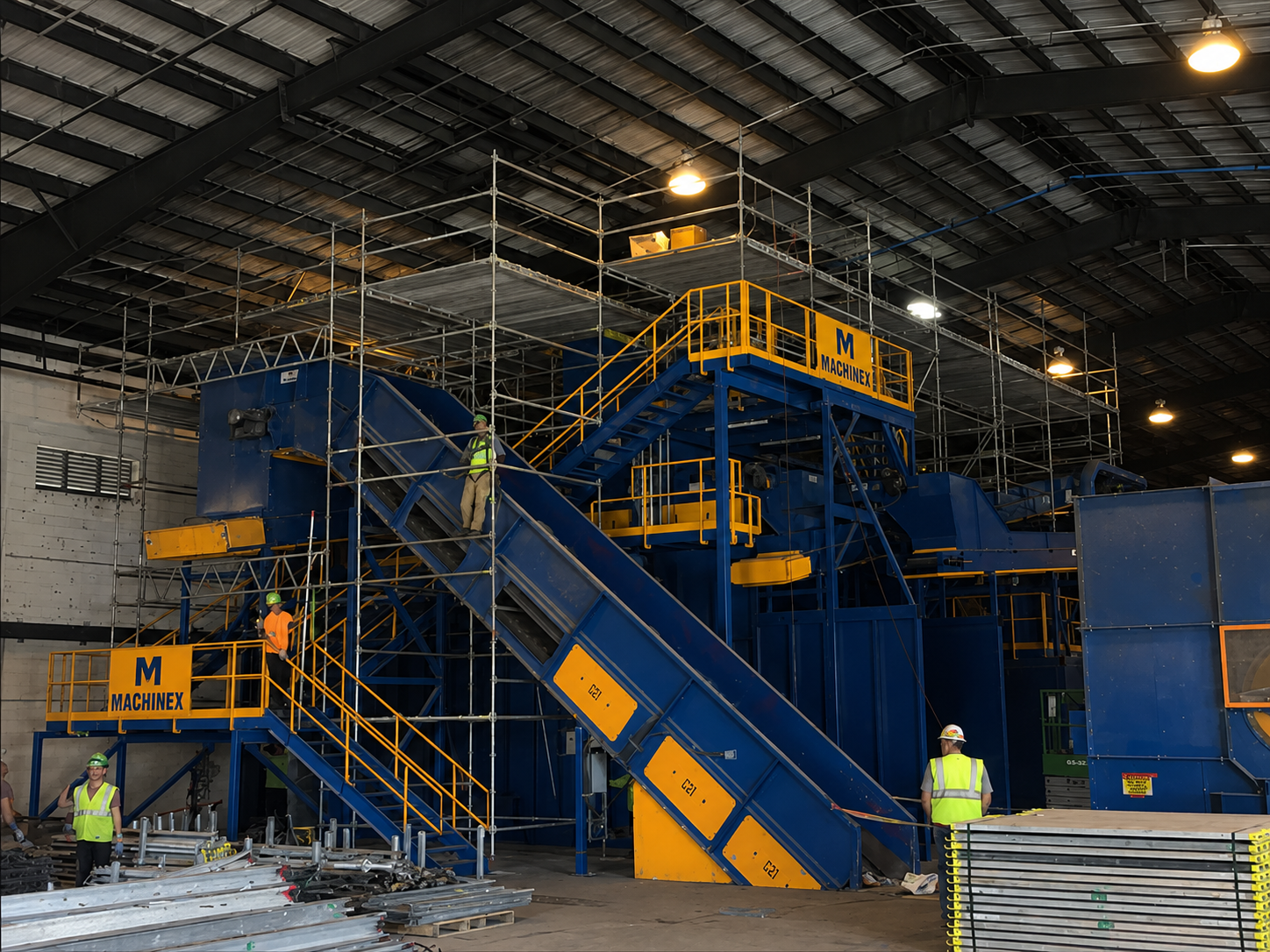
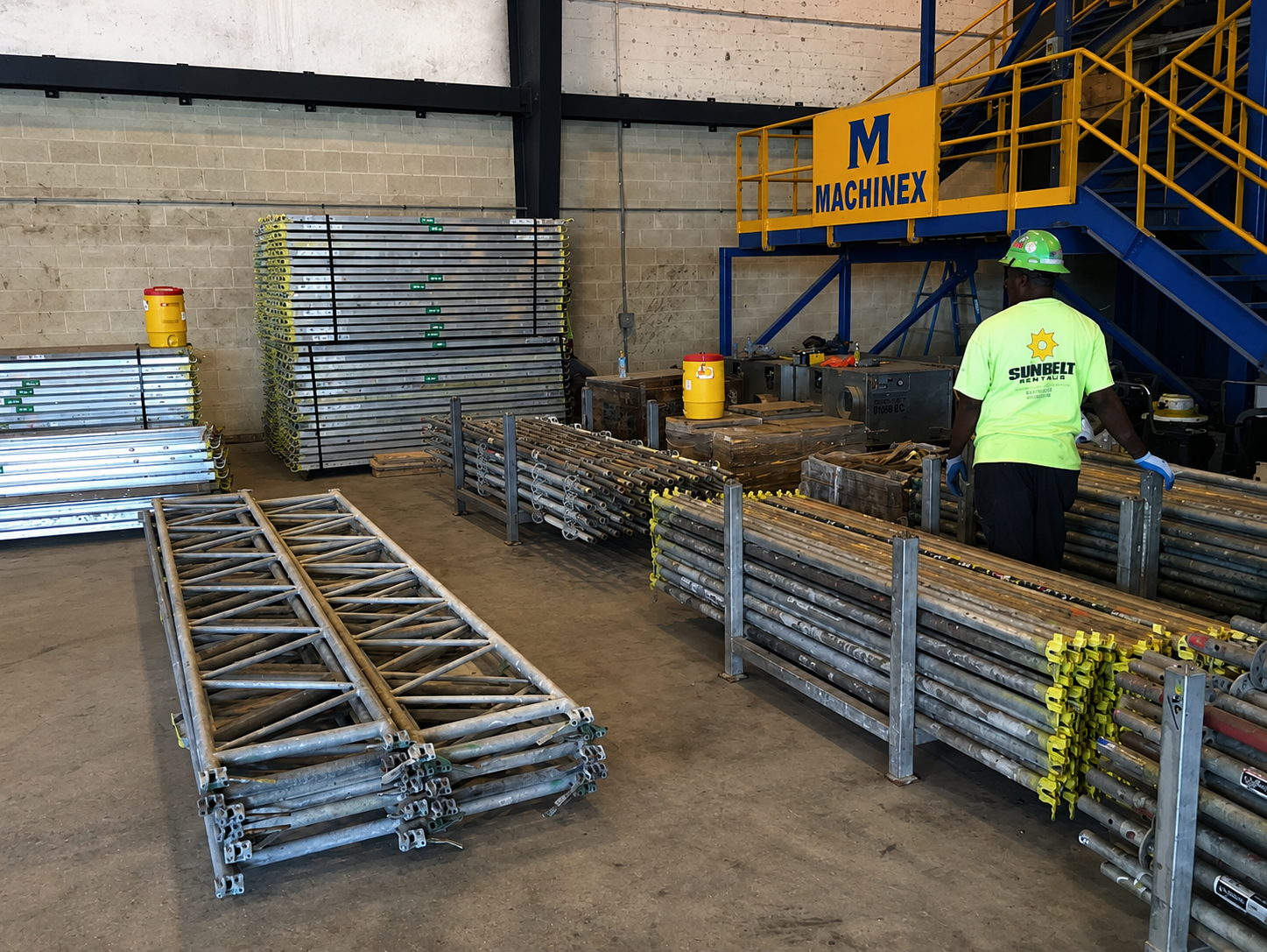
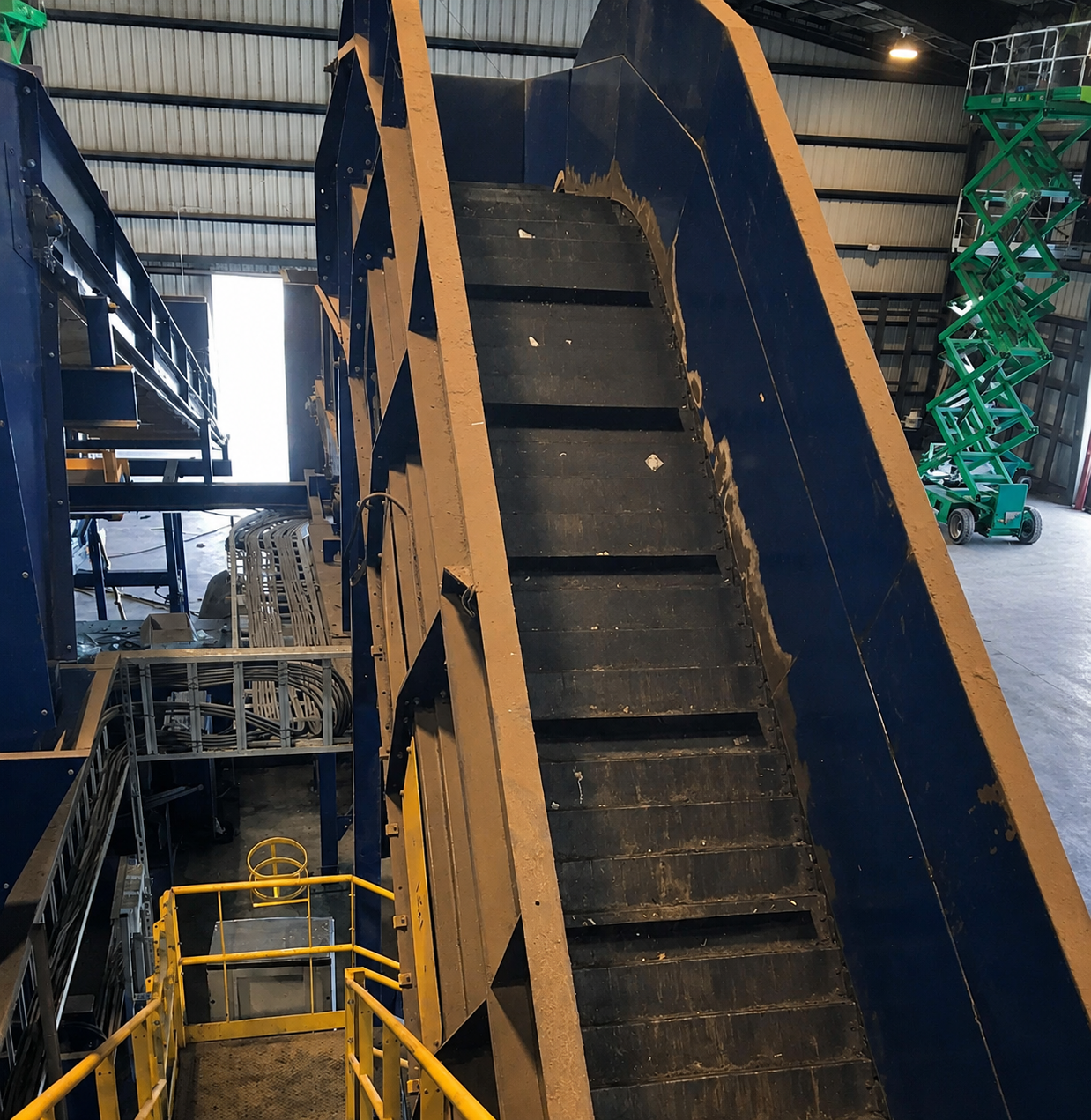
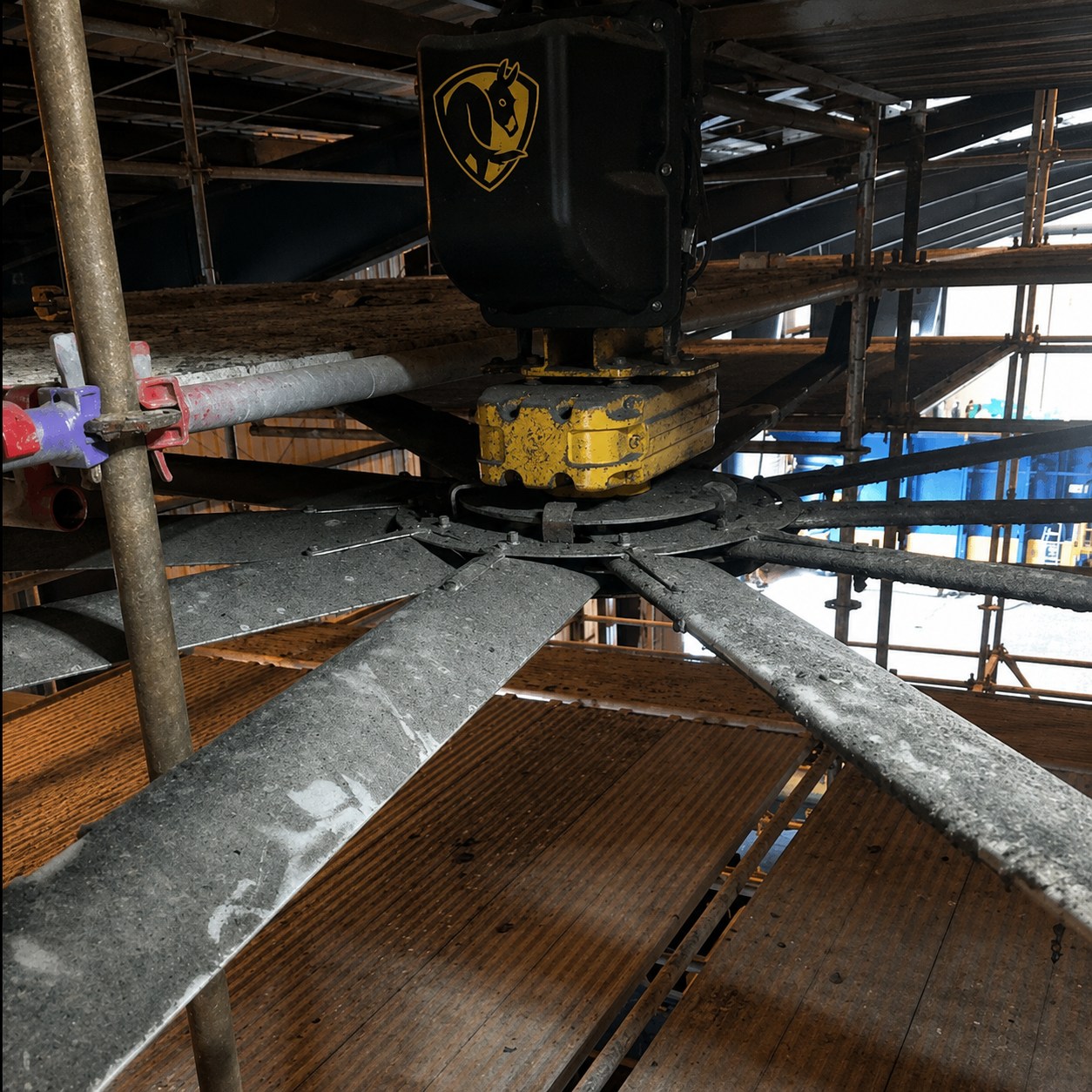
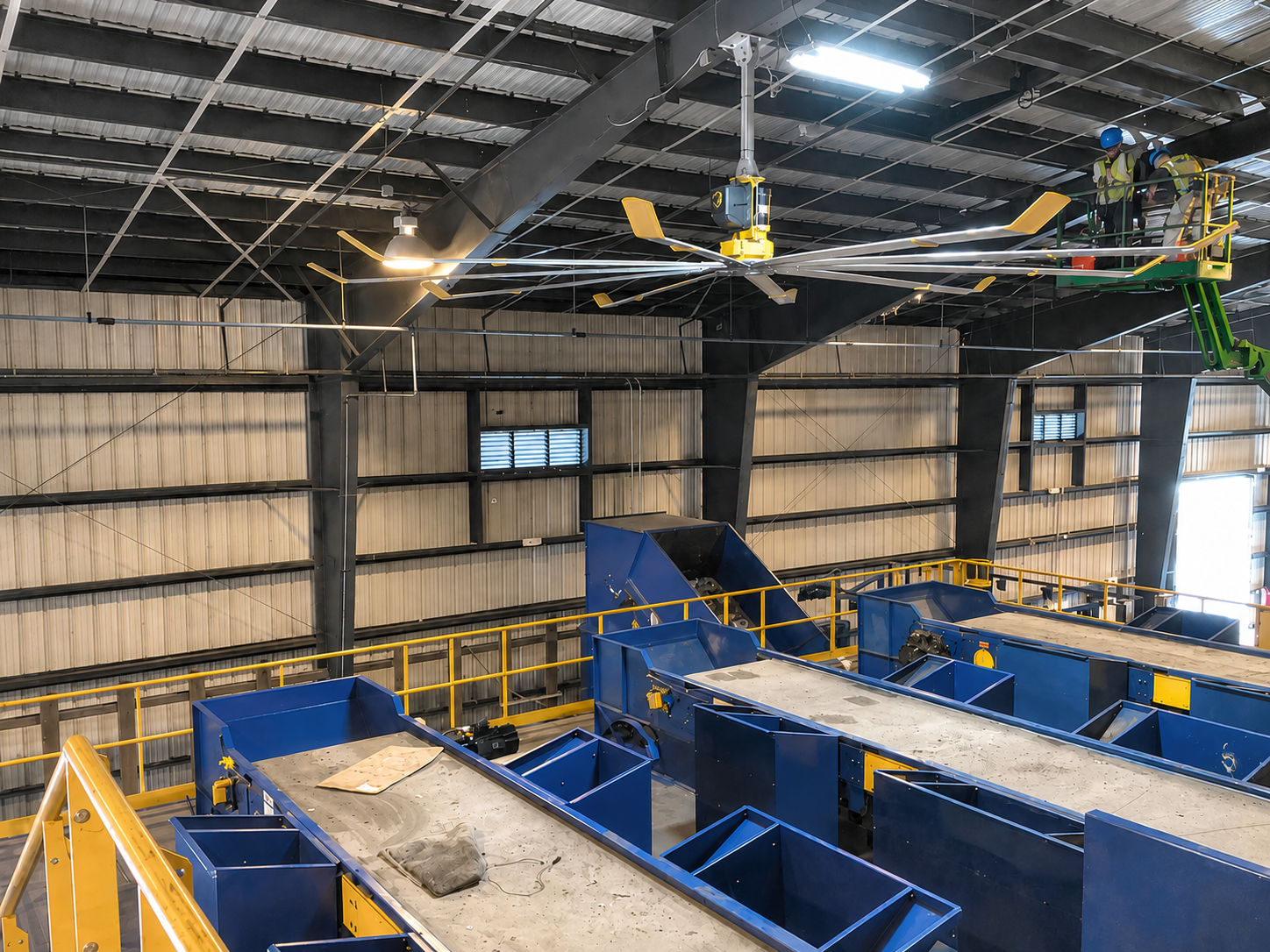
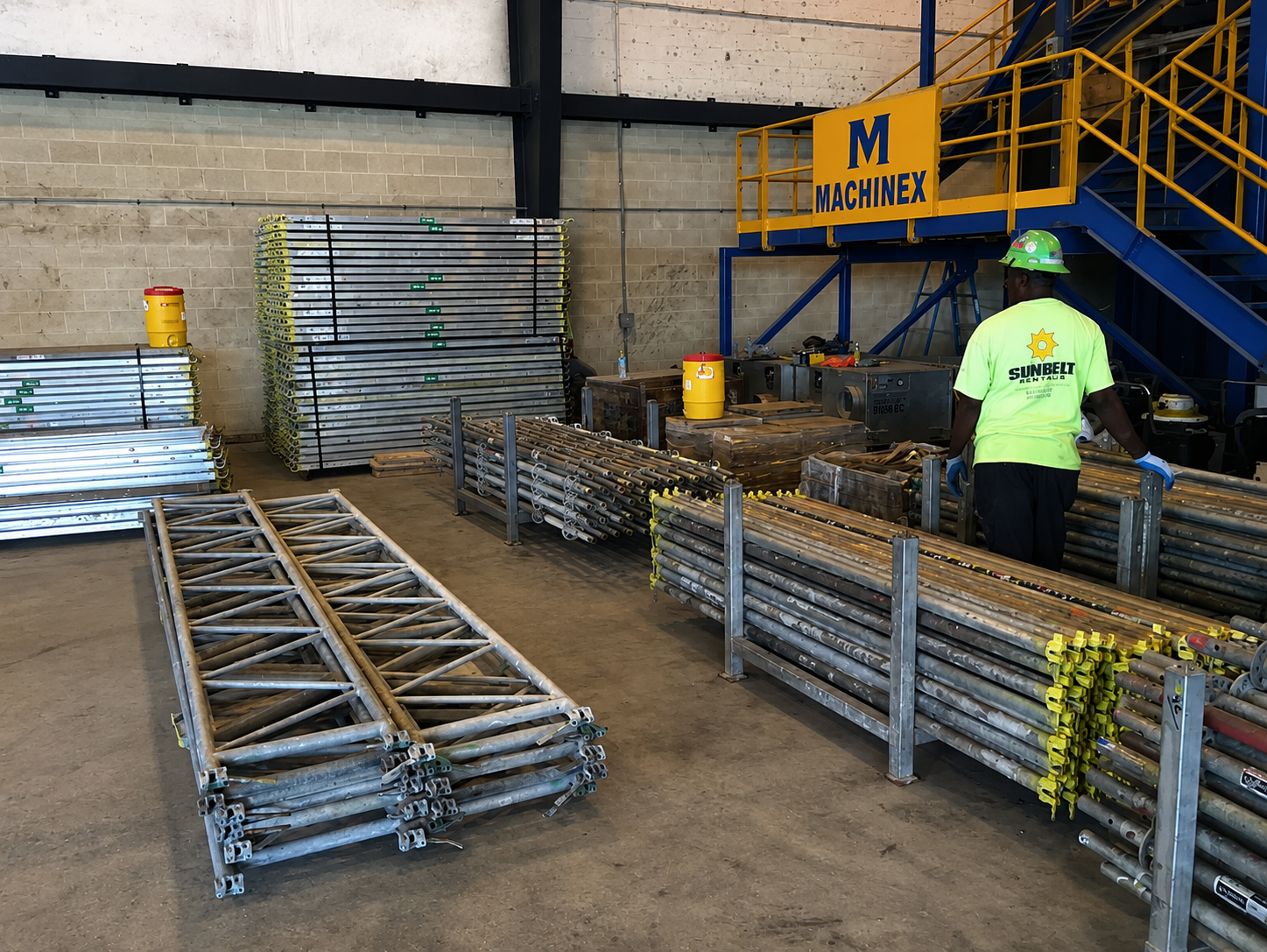
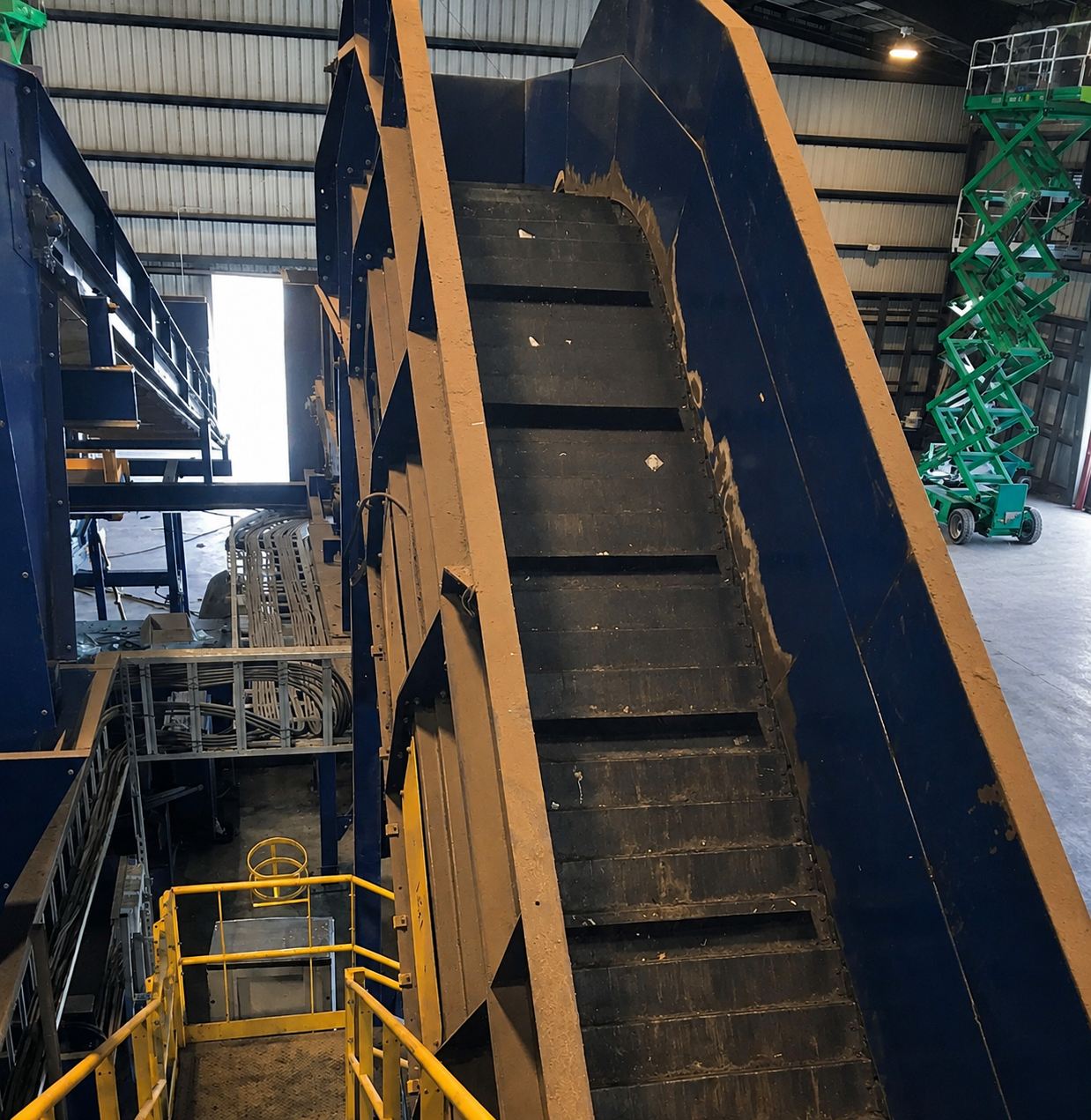
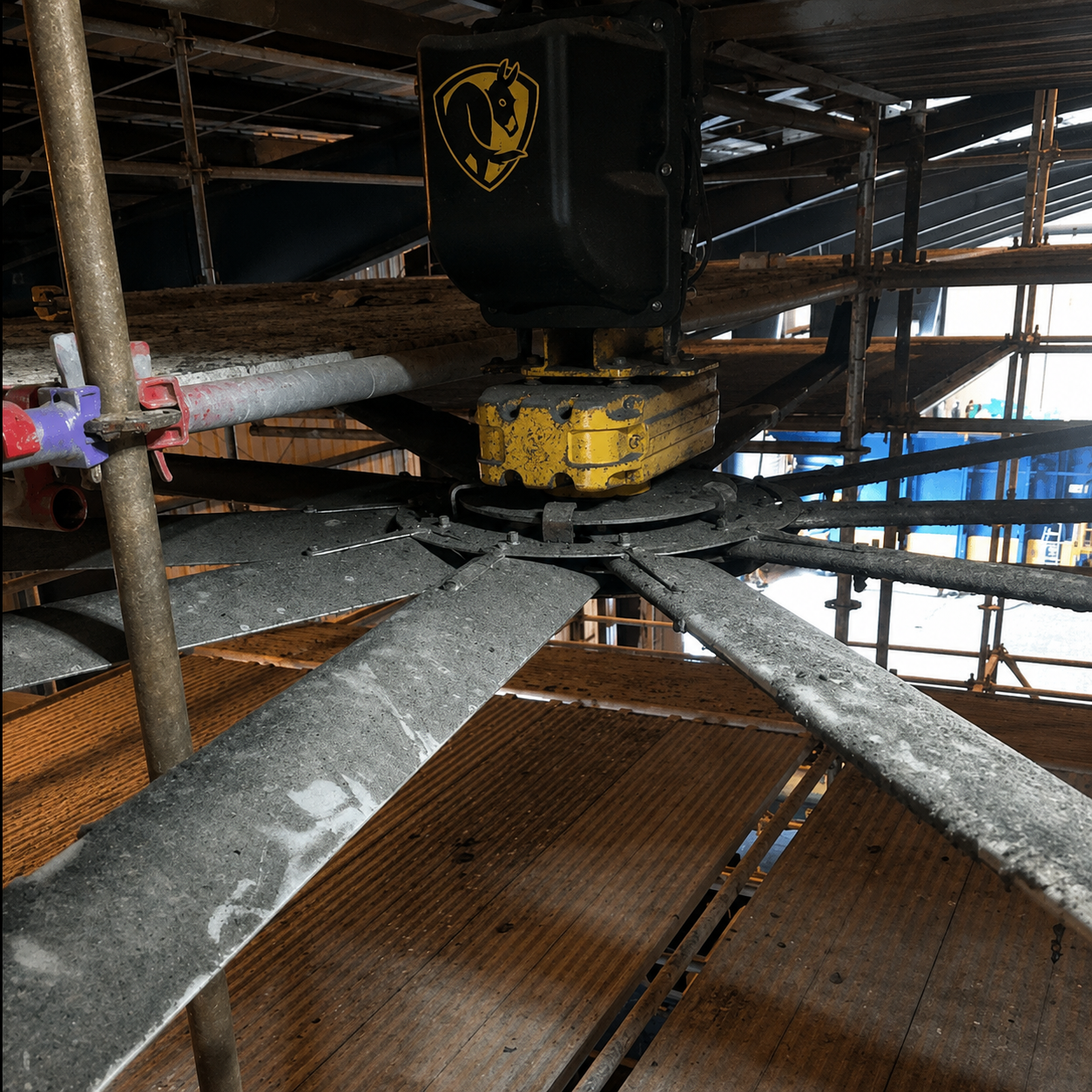
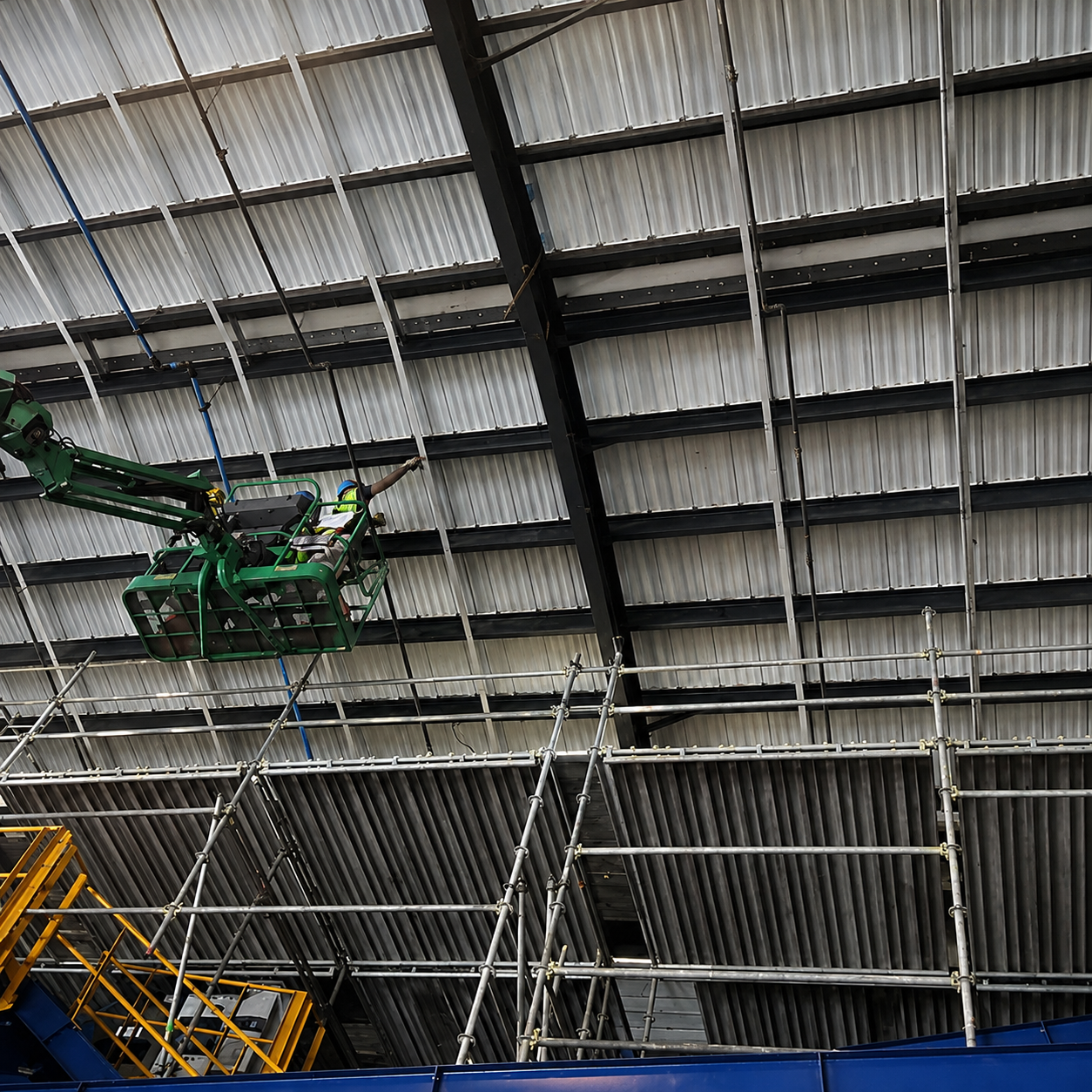
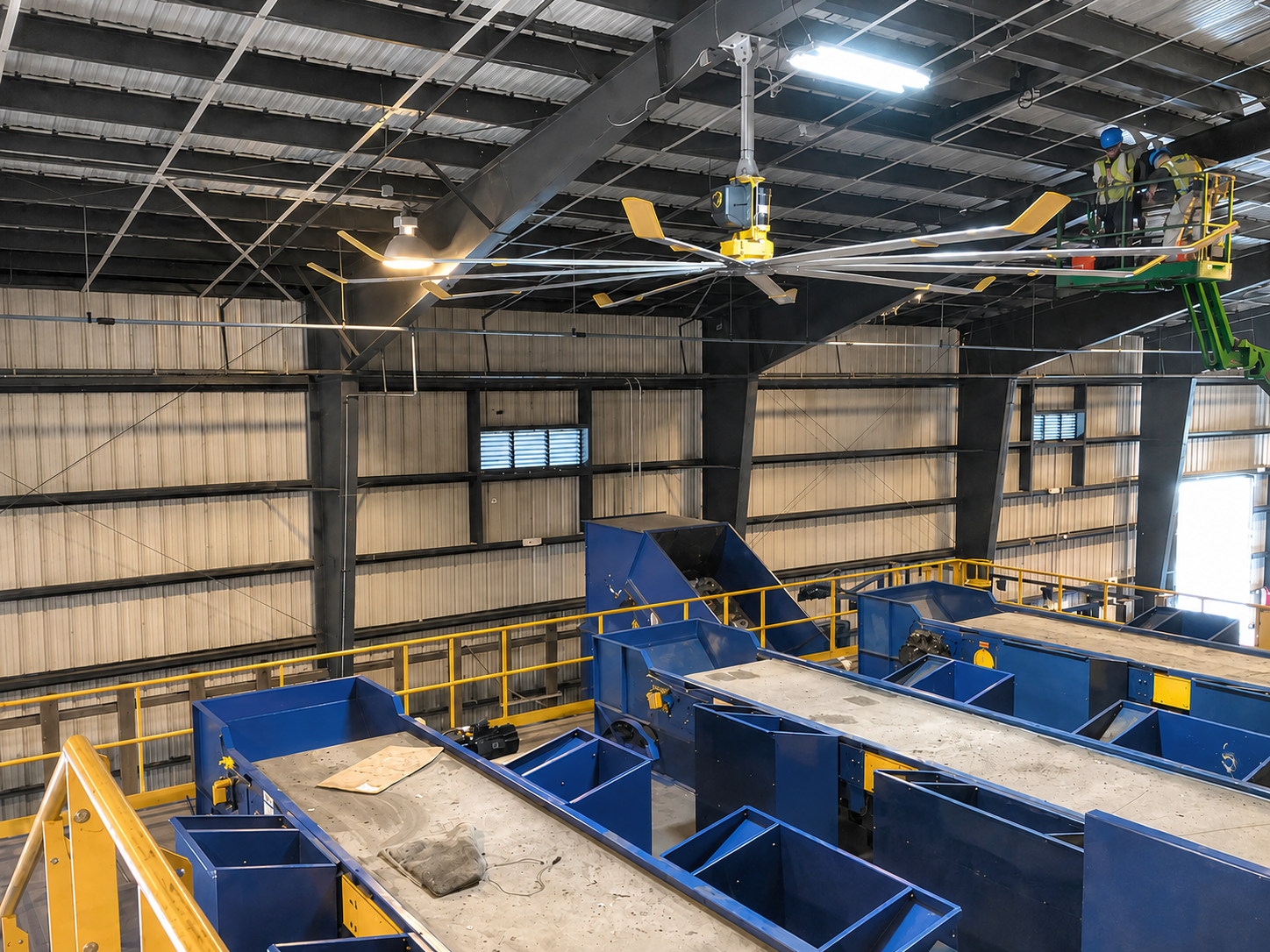
Morning lineups were critical to confirm safety equipment, PPW and review safety concerns of the day. A 60-foot articulating lift gave access to the 38-foot ceiling peak. Care was given not to hit sprinkler lines, lighting and other wiring and piping. Scaffolding was expertly and safely installed over and on the Machinex equipment to allow access all the way to the ceiling. Removal of lifts was one of the final tasks for the operators.
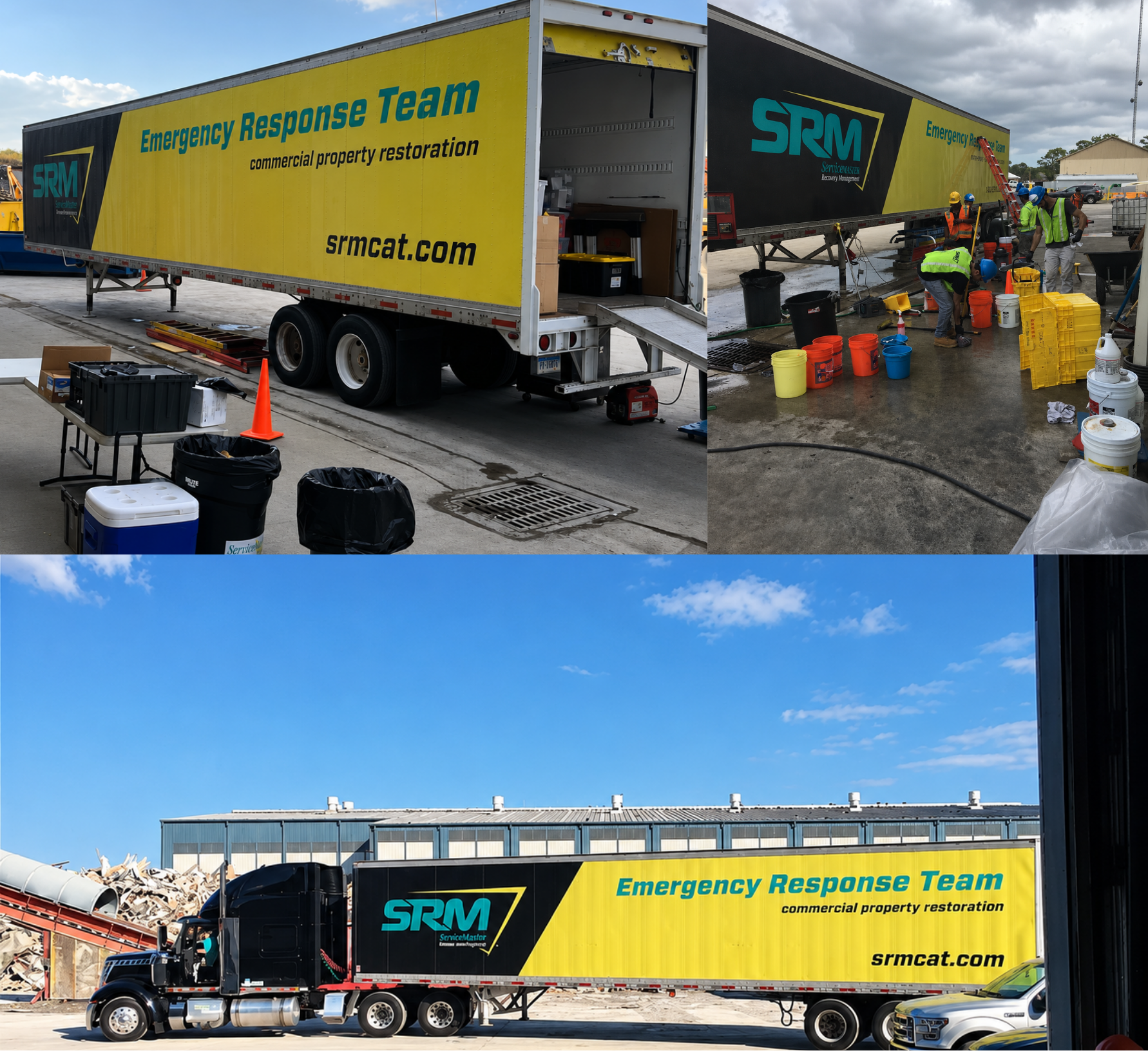
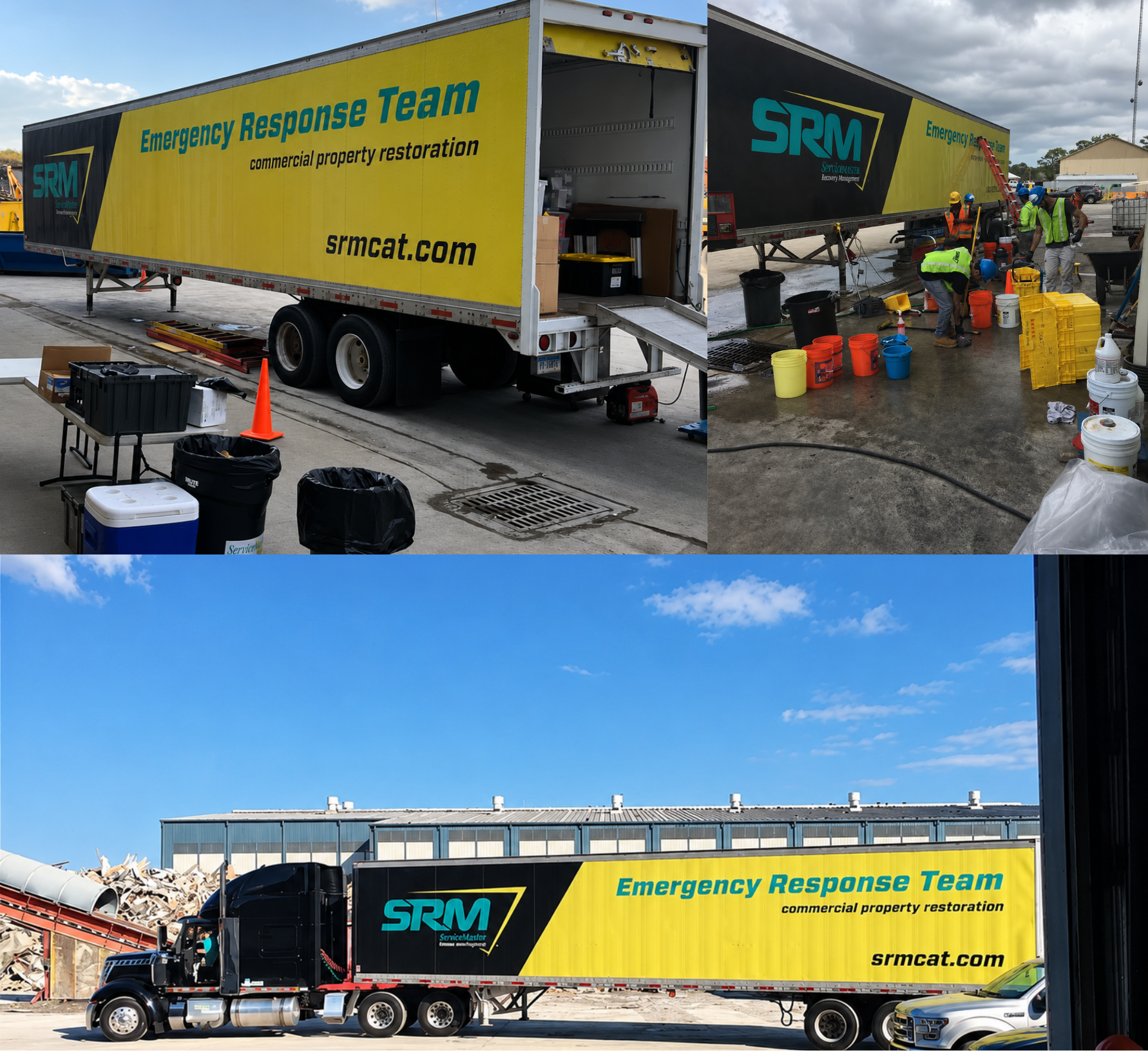
Getting ready to demobilize required the cleaning and repacking of the semi to prepare it for the road. Inventories were taken to submit the requisition to replace utilized items.
THE CHALLENGES
The first challenge was finding the best way to remove years of dust and dirt. Dry systems included hepavacuuming, chem sponging and other mechanical processes. Other changes included:
Timeframe: Had to get a bond and meet the time constraints.
Ceiling height, safety, and finding the right application to reach hard-to-service areas.
Working above Machinex equipment
The amount of pre-existing dust and dirt with soot layered on it.