Case Study

Valley Bank Microbial Remediation

IMG_0877

The Problem

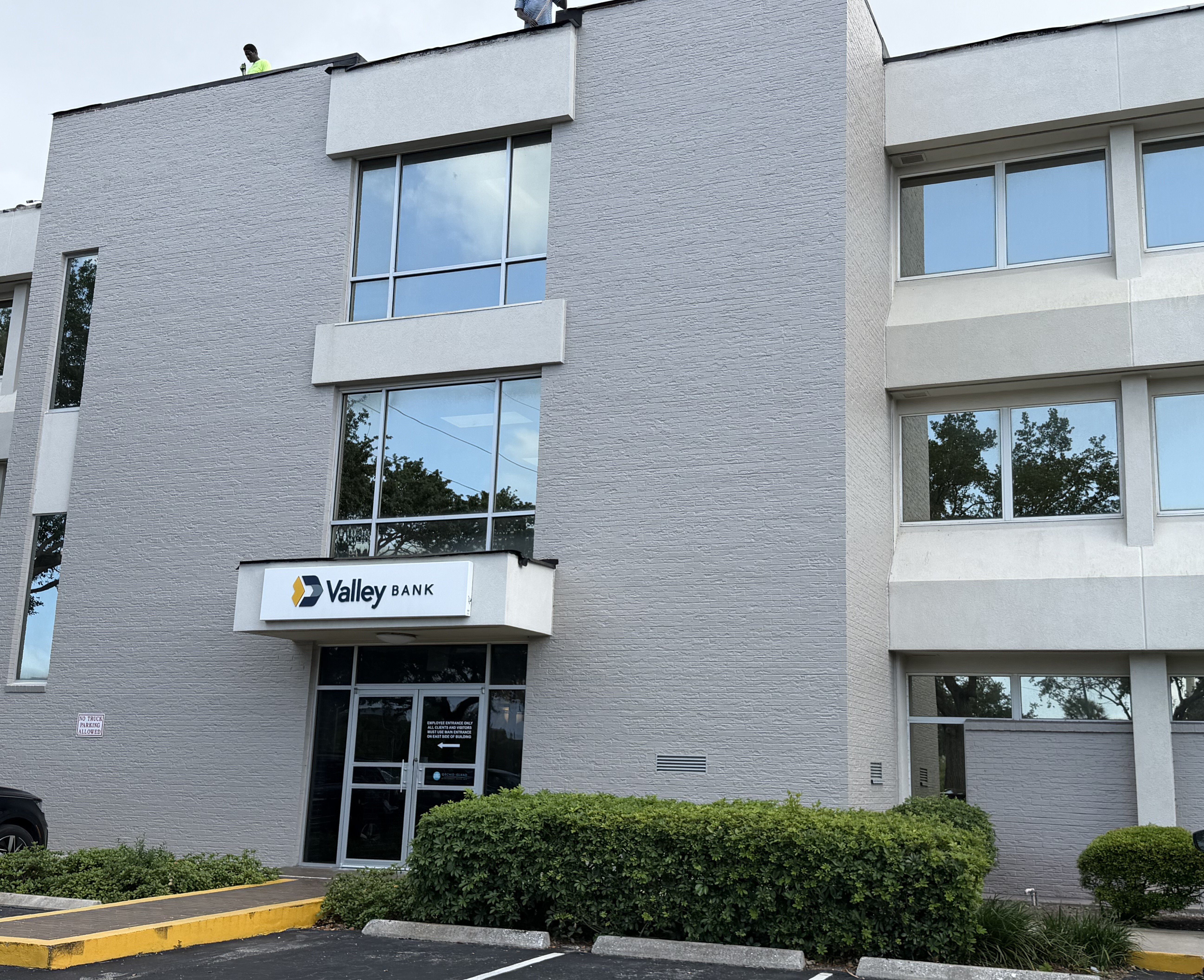
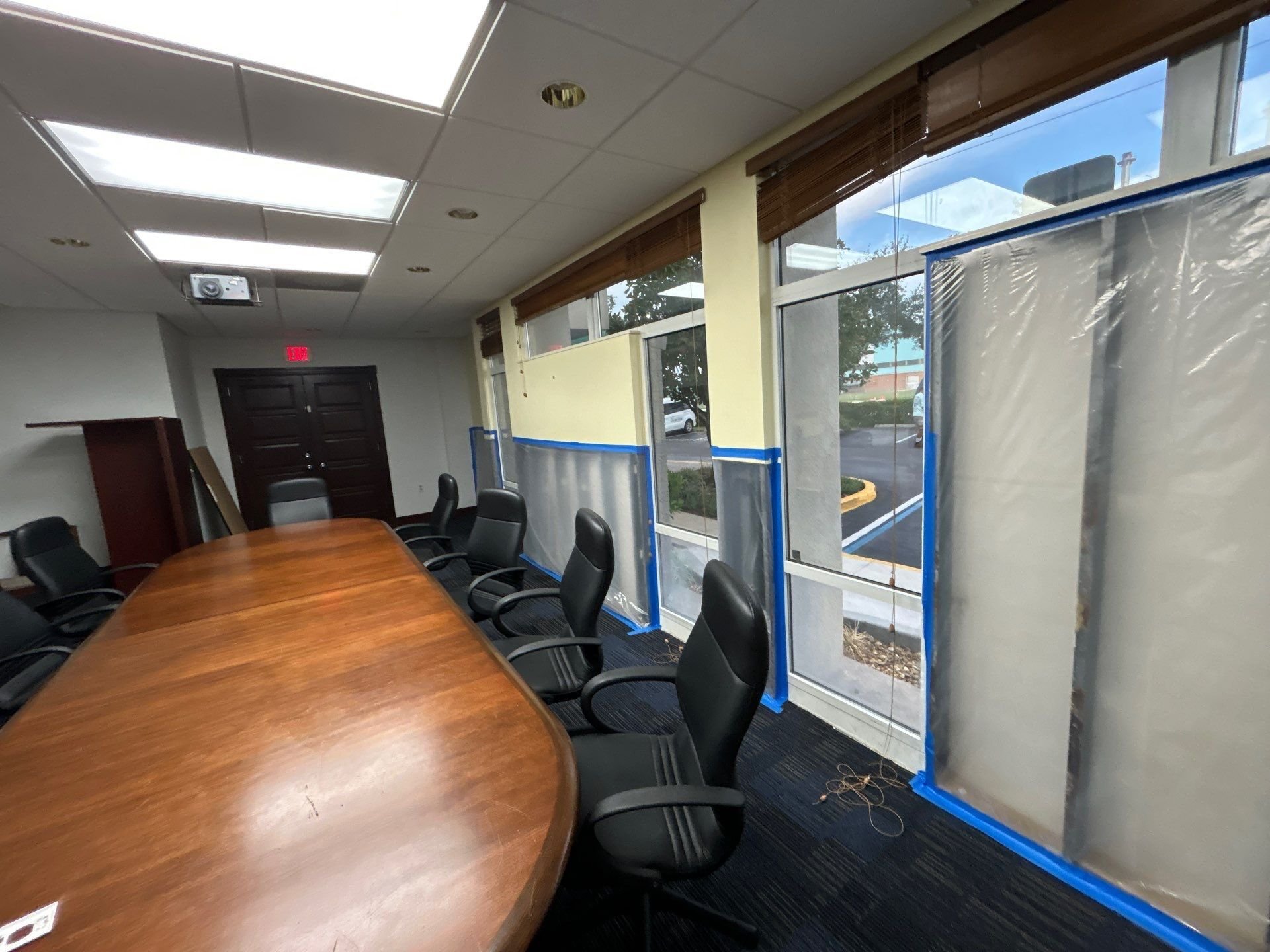
ServiceMaster by Glenn’s was contacted to perform microbial remediation services at our local Valley Bank. Bank employees had discovered microbial growth that was later determined to be caused by water intrusion from exterior siding, windows, and long-term roof leaks.

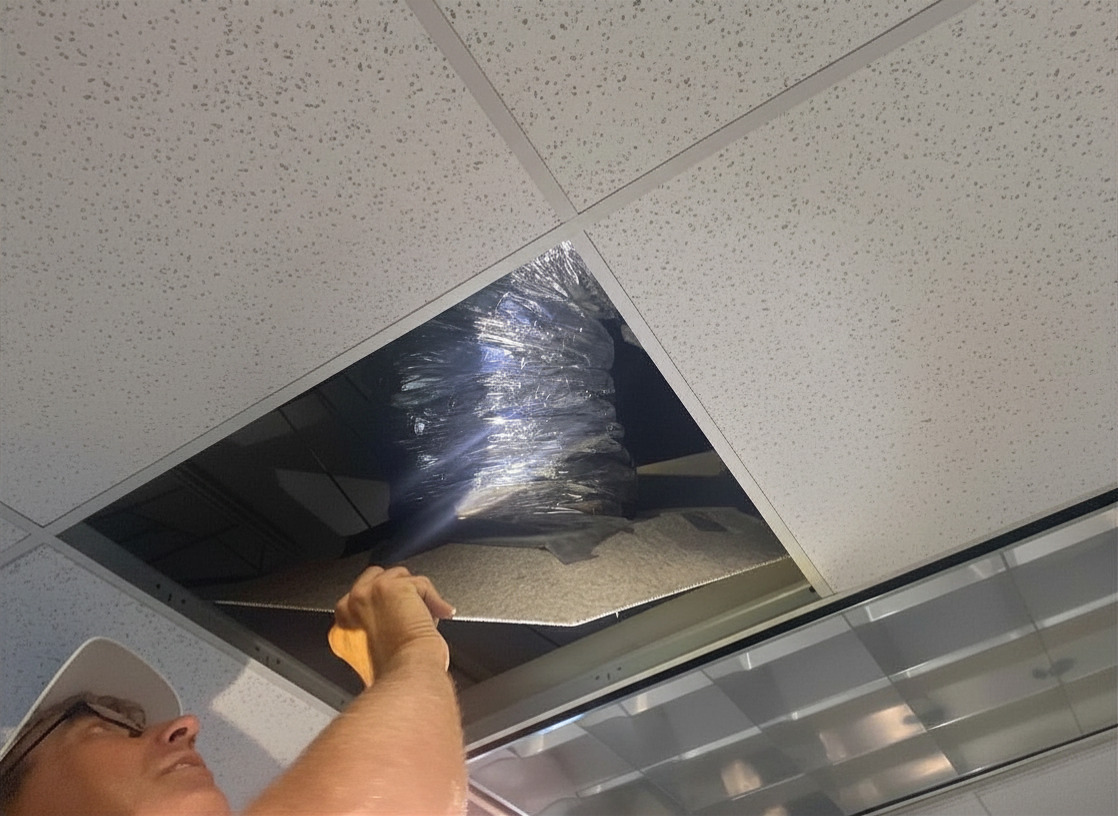
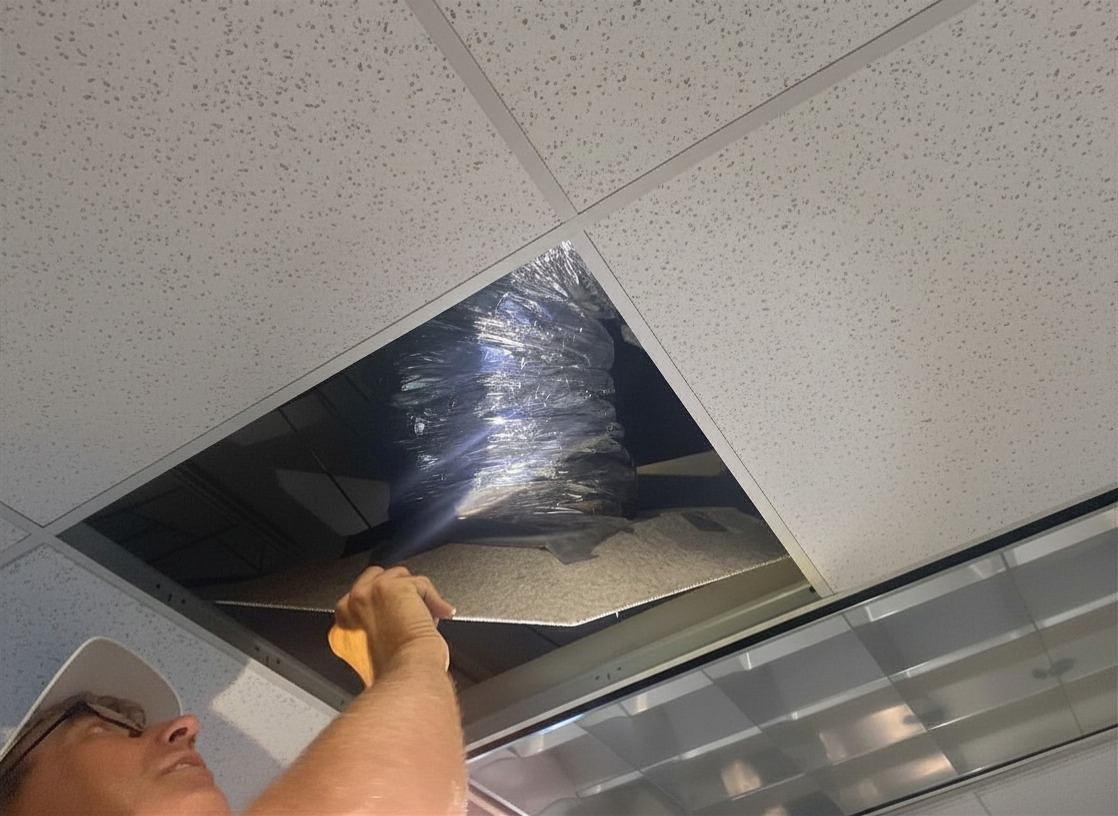
Employees were understandably concerned about the potential health effects of mold exposure. During our inspection, infrared technology and advanced moisture detection tools were used to identify hidden moisture and uncover concealed microbial growth. Owner Keith Grella personally conducted a thorough on-site inspection while following strict safety and hygiene protocols to help protect the health of the employees and the surrounding community.

To prevent the bank from having to close operations, our technicians worked around the clock during nights and weekends while the bank was closed. This allowed us to complete the remediation process quickly, safely, and efficiently, minimizing disruption and preparing the property for the next phase of restoration.
The Solution

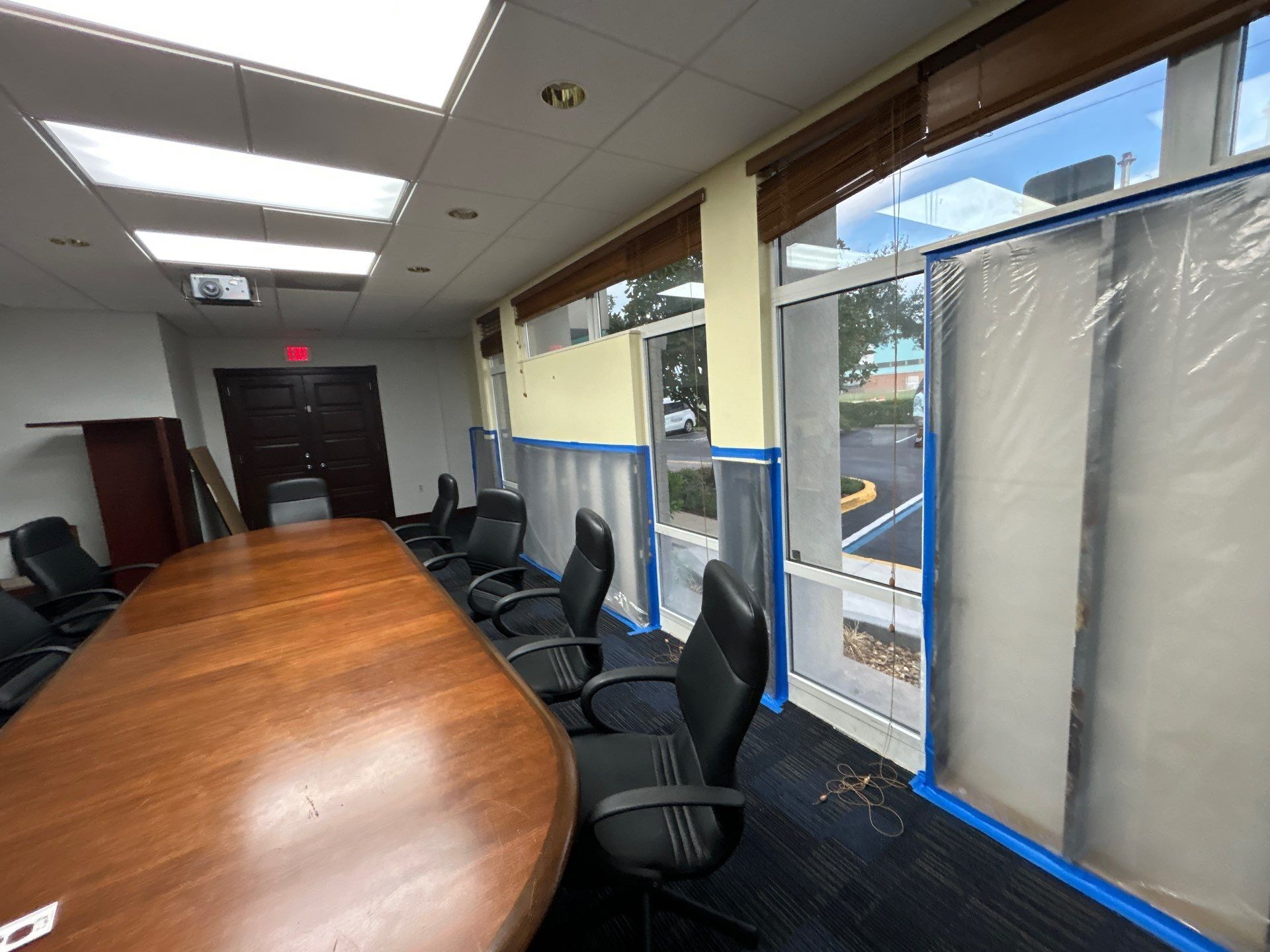
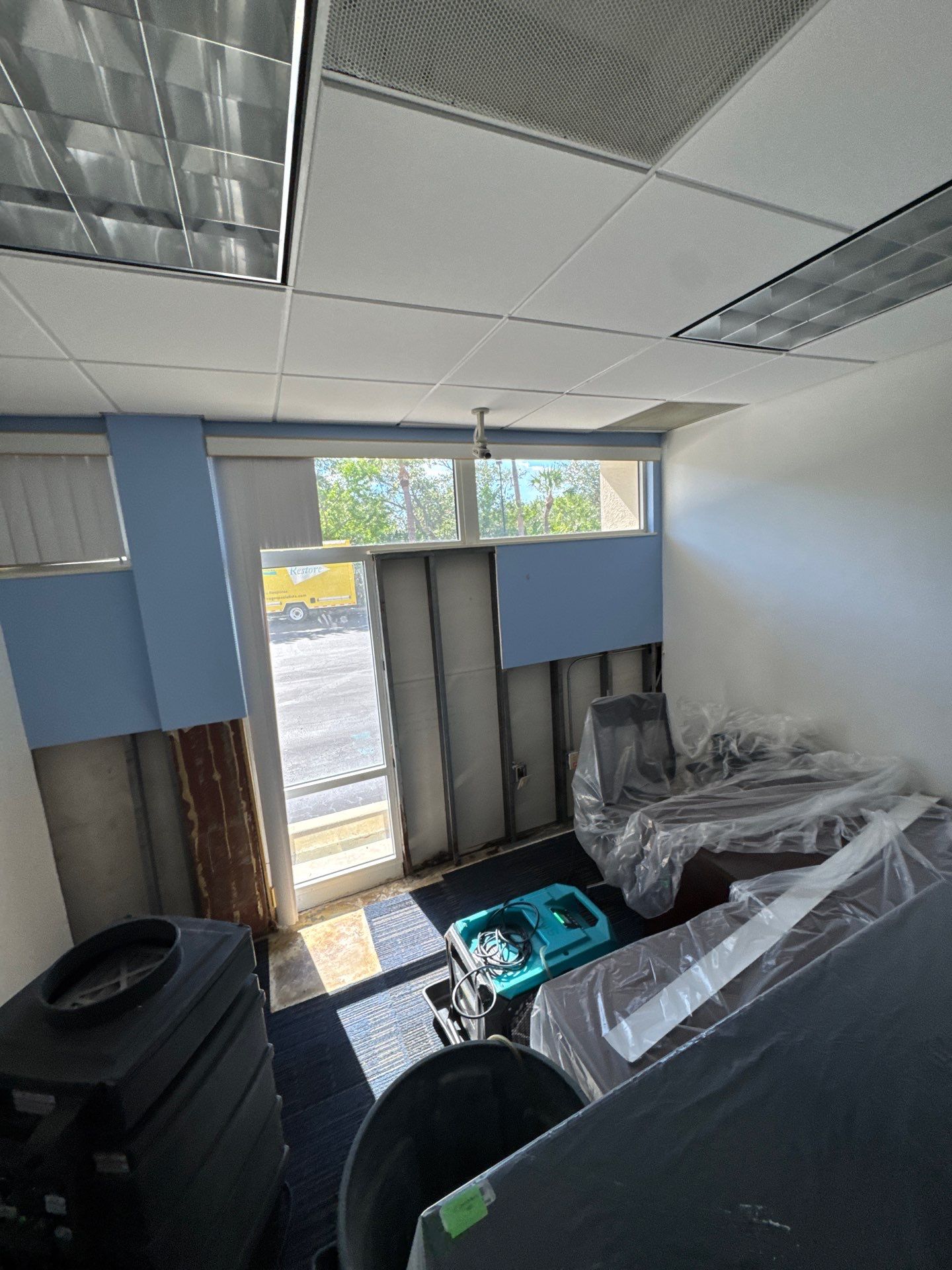
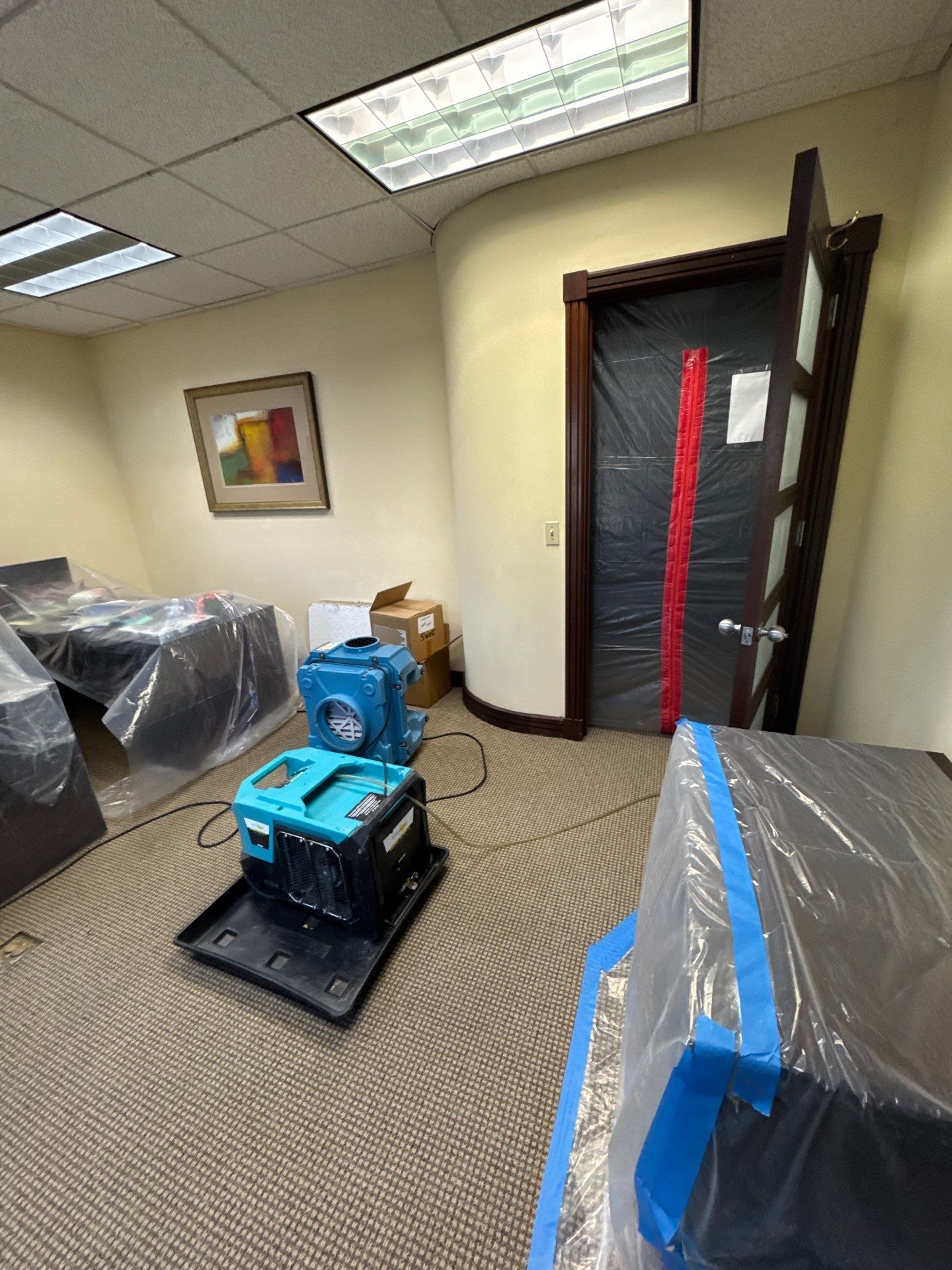
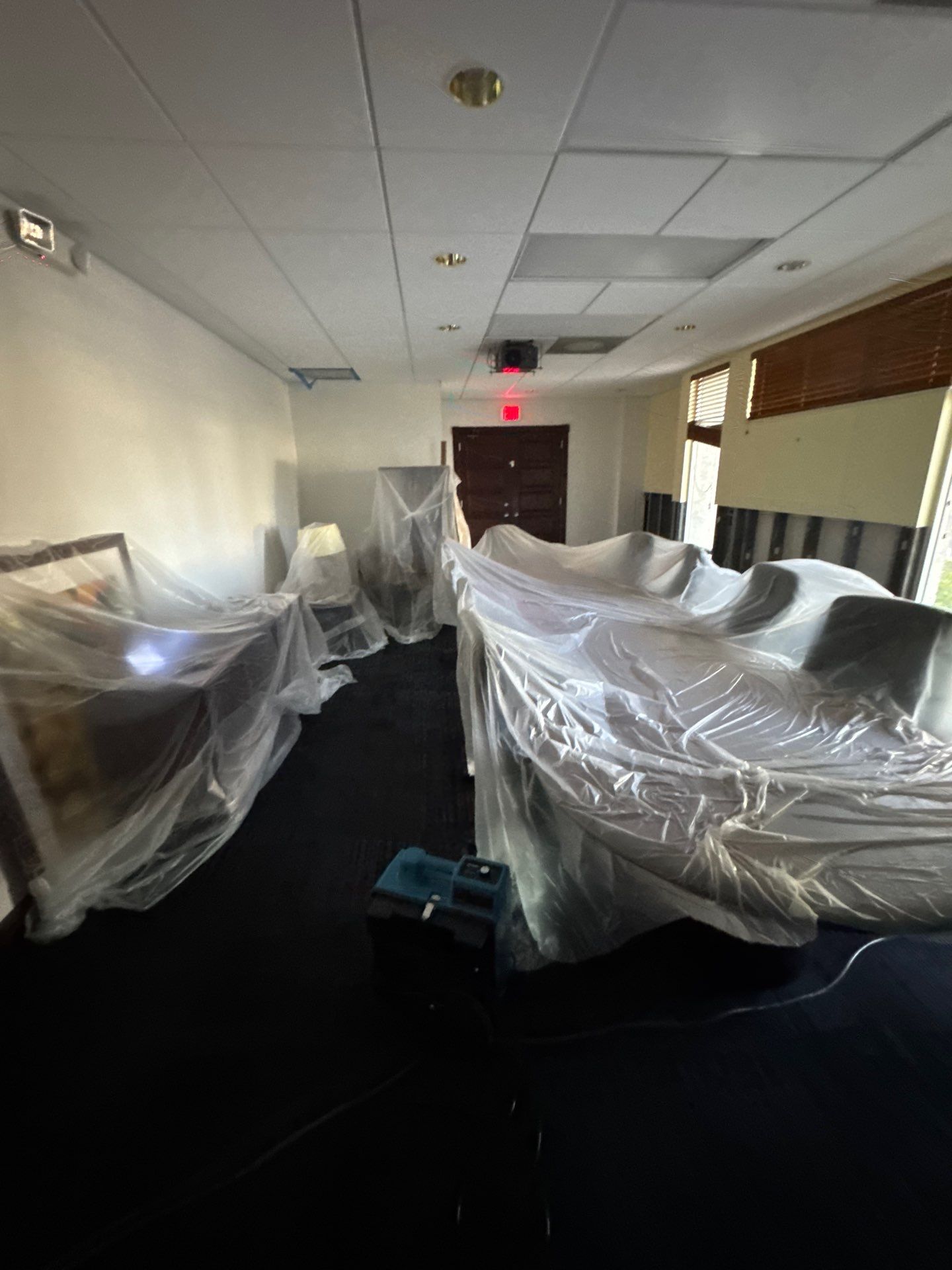
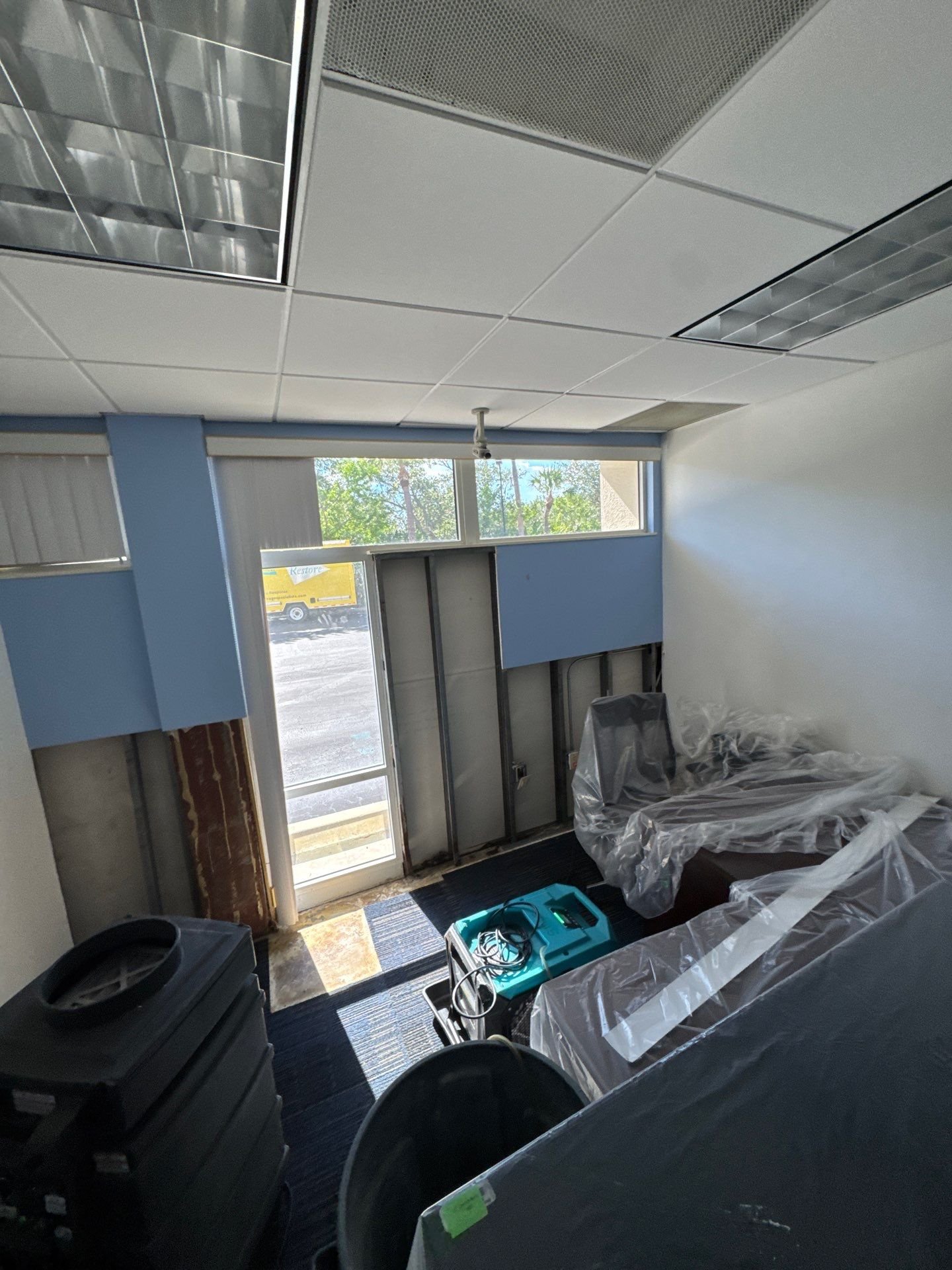
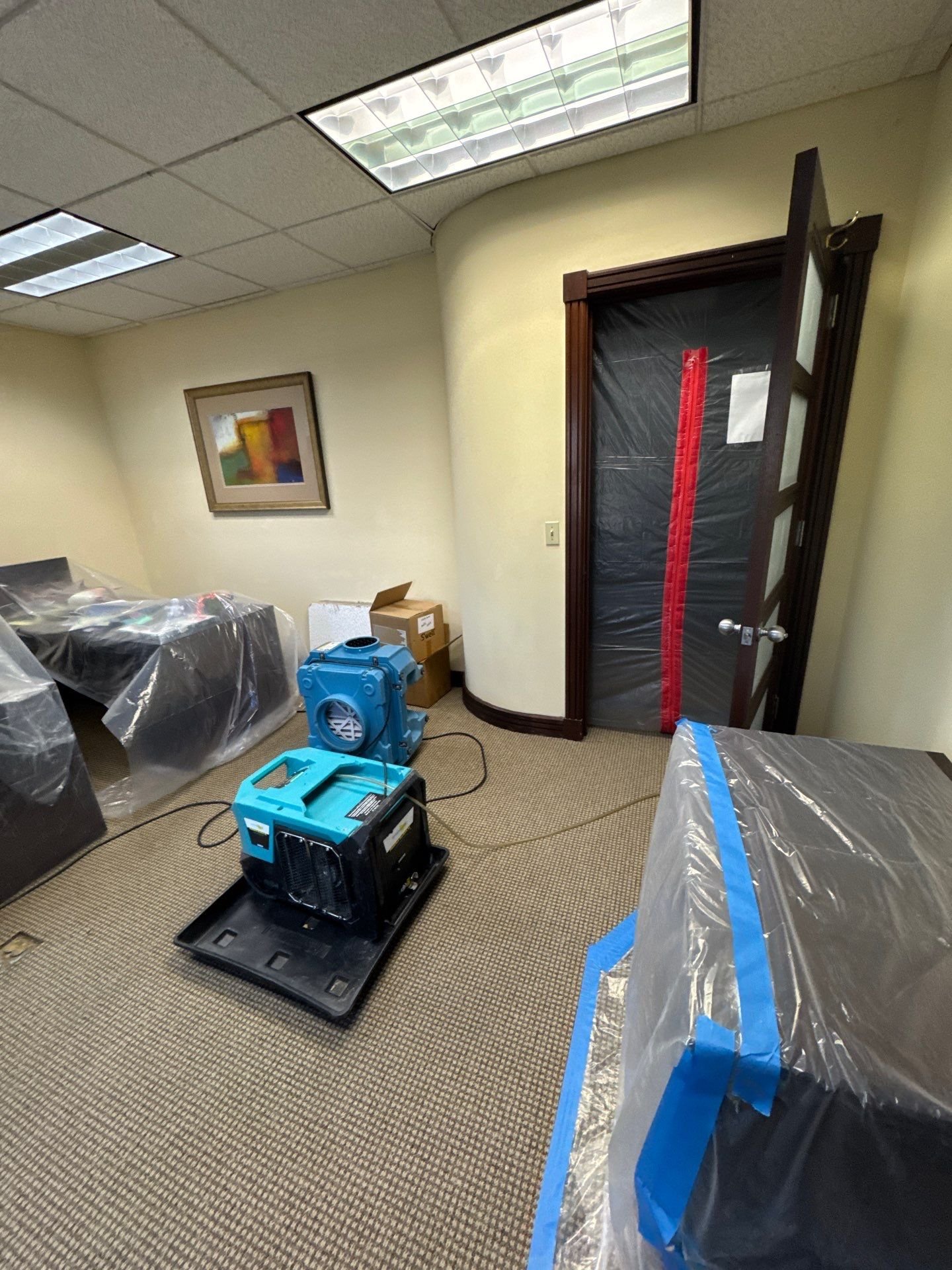
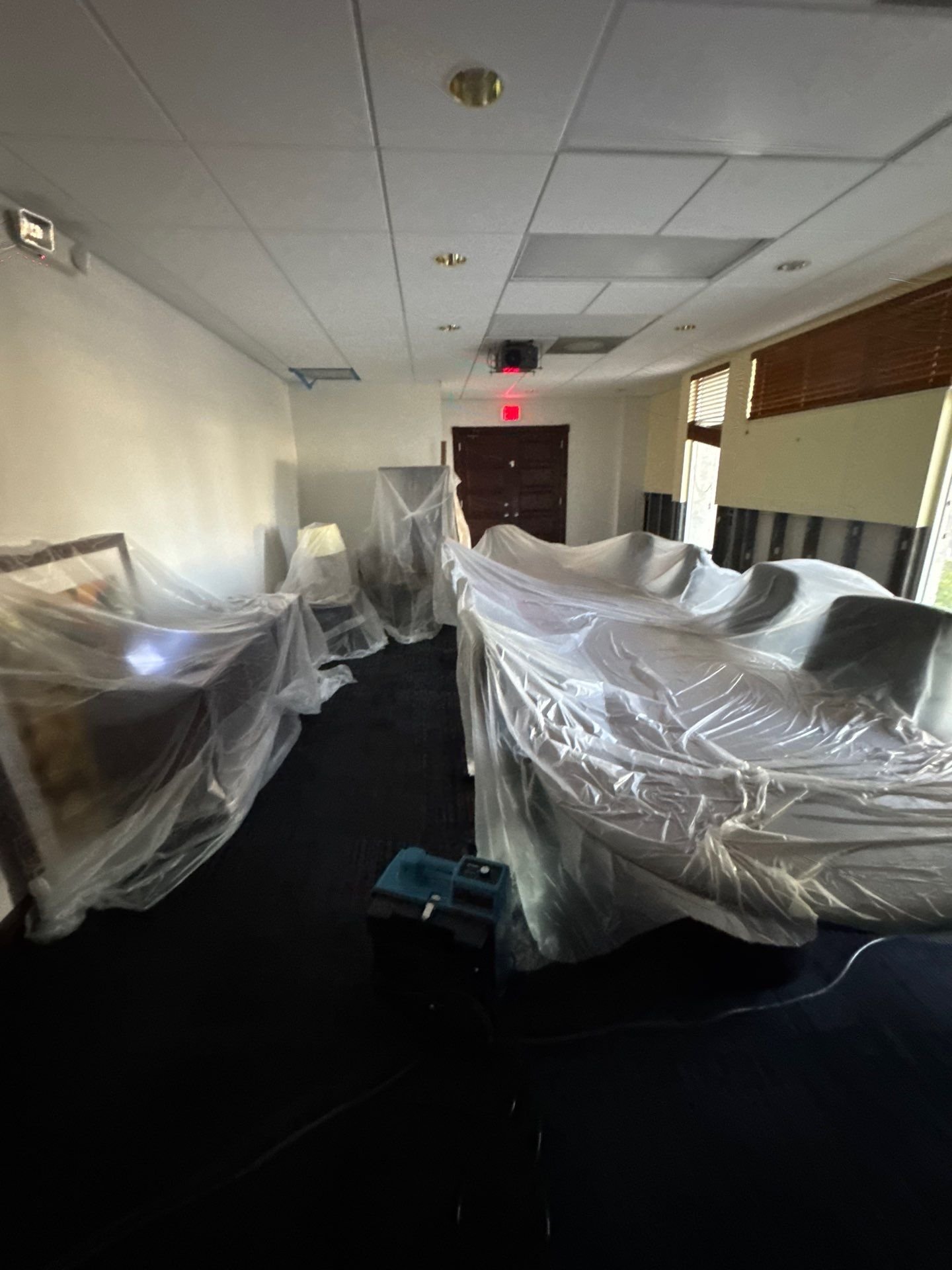
To prevent further complications, our team immediately established containment and dust protection barriers to separate active work zones from unaffected areas and minimize disruption. Once secured, dehumidifiers and negative air machines equipped with HEPA filtration were strategically placed to control airborne particles, improve air quality, and create a safe working environment. We also implemented odor control measures along with microbial reduction treatments using EPA-registered sanitizers and antimicrobial agents to help restore a clean, healthy space. 

With the affected areas safely isolated, our team moved forward with demolition and microbial remediation to prepare the property for restoration, including:

    • Detailed micro-cleaning and antimicrobial wipe-downs.
    • Application of encapsulant coatings to seal remediated surfaces and inhibit future microbial growth.
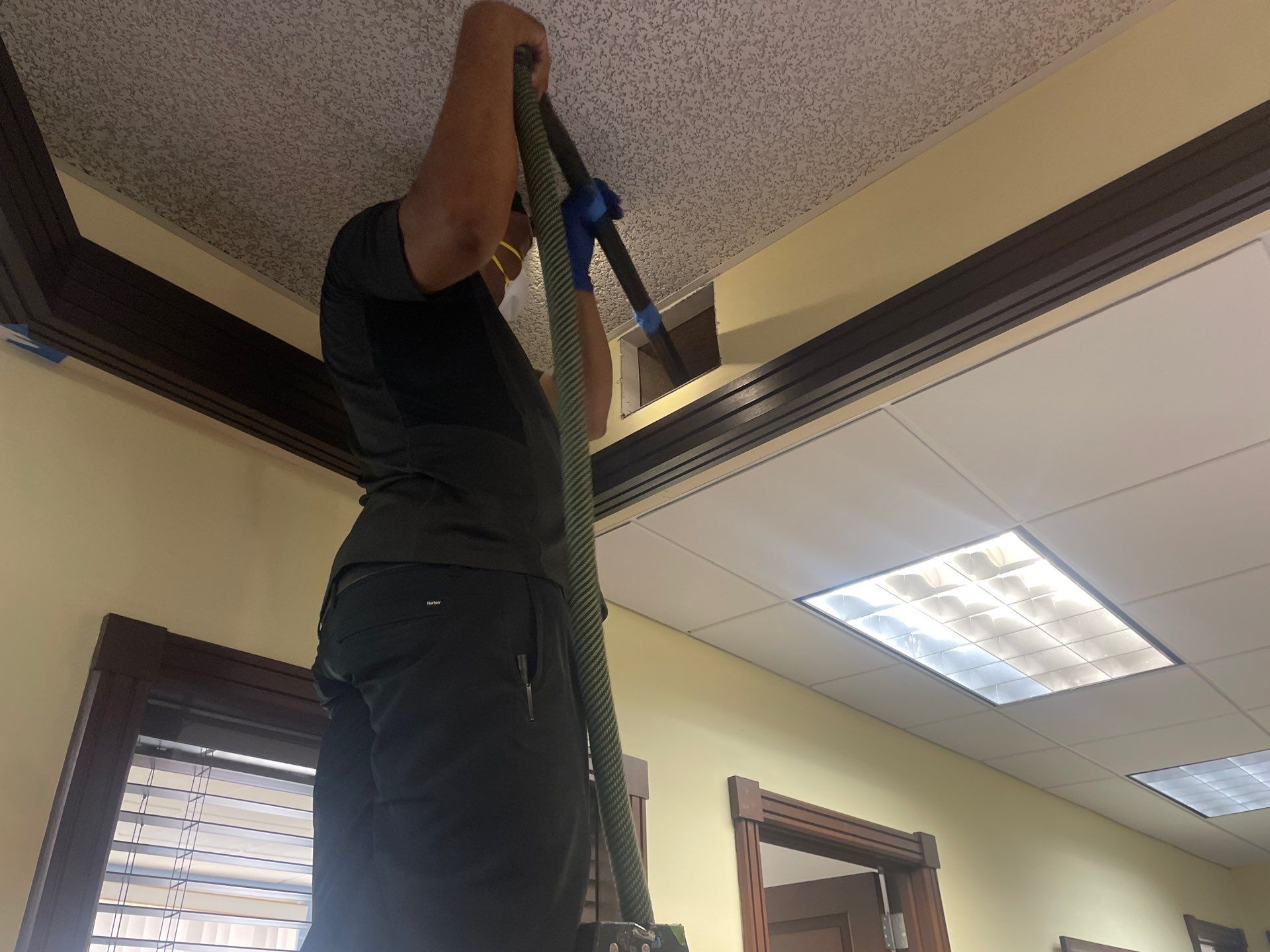
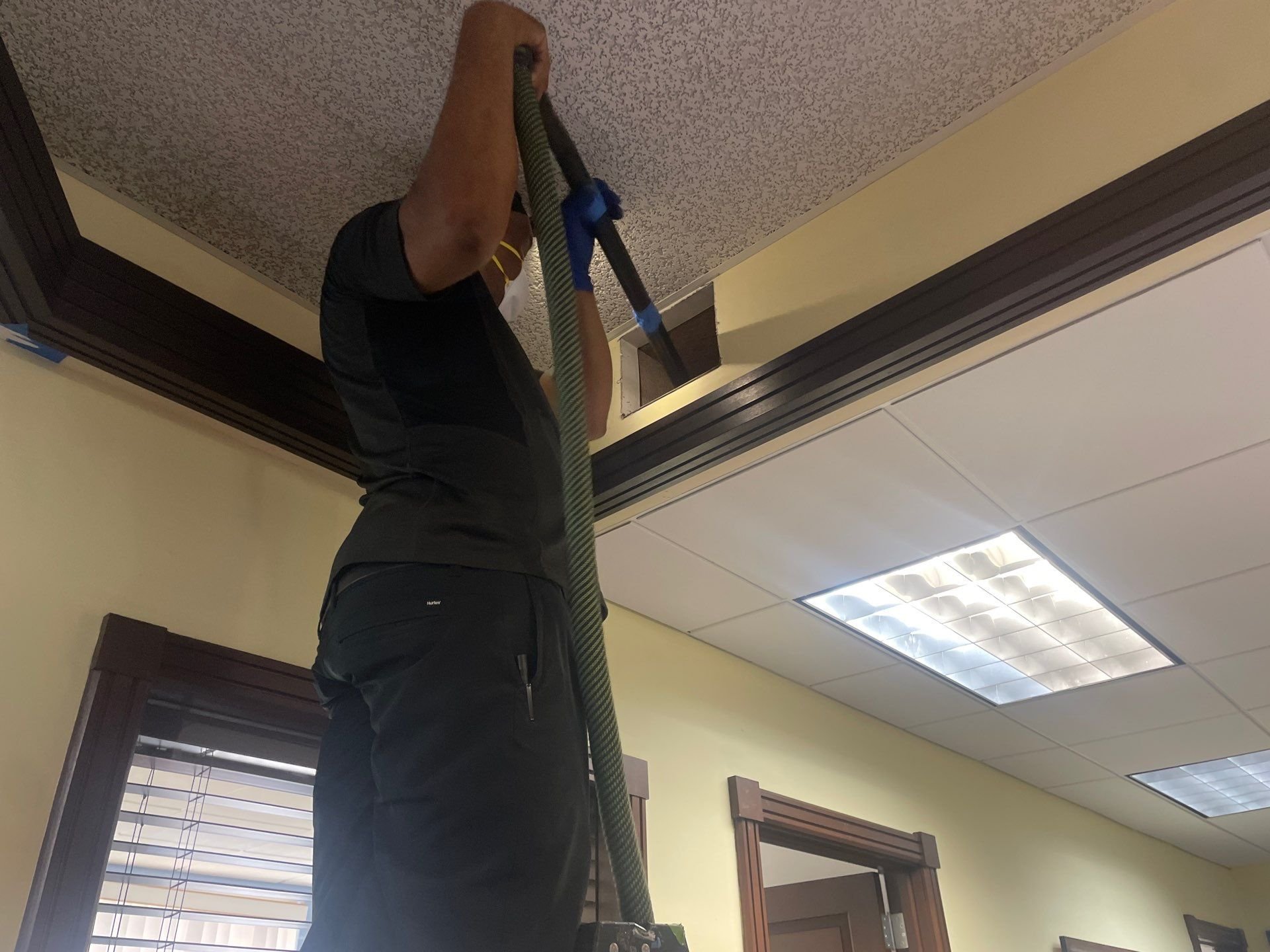
    • Cleaned and sanitized HVAC systems in accordance with the Certified Industrial Hygienist (CIH) protocol.